
10 Best Hair Oils for Growth & Nourishment
Introduction
Is your hair crying out for intensive nourishment that only premium ingredients can provide? If you’ve been battling dry, damaged, or slow-growing locks, the secret to transforming your tresses might be hiding in a bottle of luxurious hair oil. Finding the perfect formula can be the difference between lackluster locks and a crown of glory that turns heads.
best hair oils have been beauty staples for centuries, offering nourishment that modern hair products often can’t match. From ancient beauty rituals to today’s scientifically formulated elixirs, hair oils remain the gold standard for deep conditioning and promoting lustrous growth.
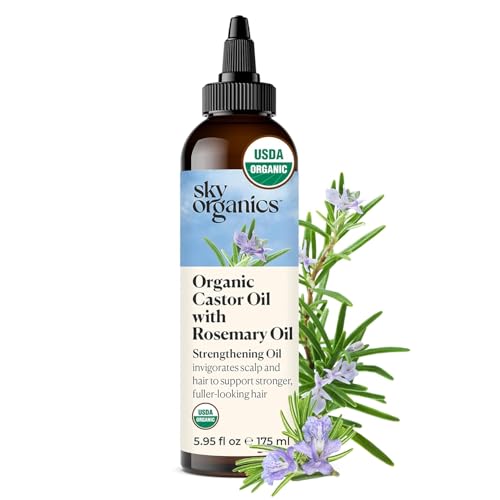
- STRENGTHENING OIL: Pure, potent and hexane-free, this certified organic blend invigorates the scalp and fortifies each s…
- TO SUPPORT STRONGER, FULLER-LOOKING HAIR: Massage into dry scalp. If necessary, cover hair to prevent oil transfer. Rins…
- INGREDIENTS WITH PURPOSE: Made with just three pure & potent ingredients. To help retain its natural vitamins and antiox…
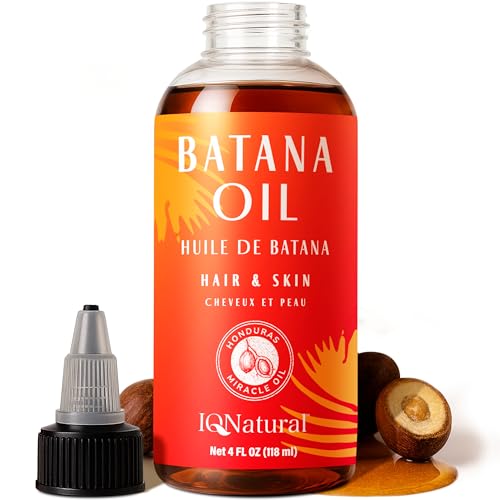
- 100% RAW BATANA OIL: Real batana oil for hair growth from Honduras. Organic and natural, rich in Vitamin E, fatty acids,…
- HAIR GROWTH & THICKNESS: Natural batana oil promotes fuller, thicker strands for hair growth and length retention. Deepl…
- FOR BLACK HAIR & ALL HAIR TYPES: Loved as a hair moisturizer for black women and men and hair products for black women w…
Table of Contents
Must-Have Products & Tools
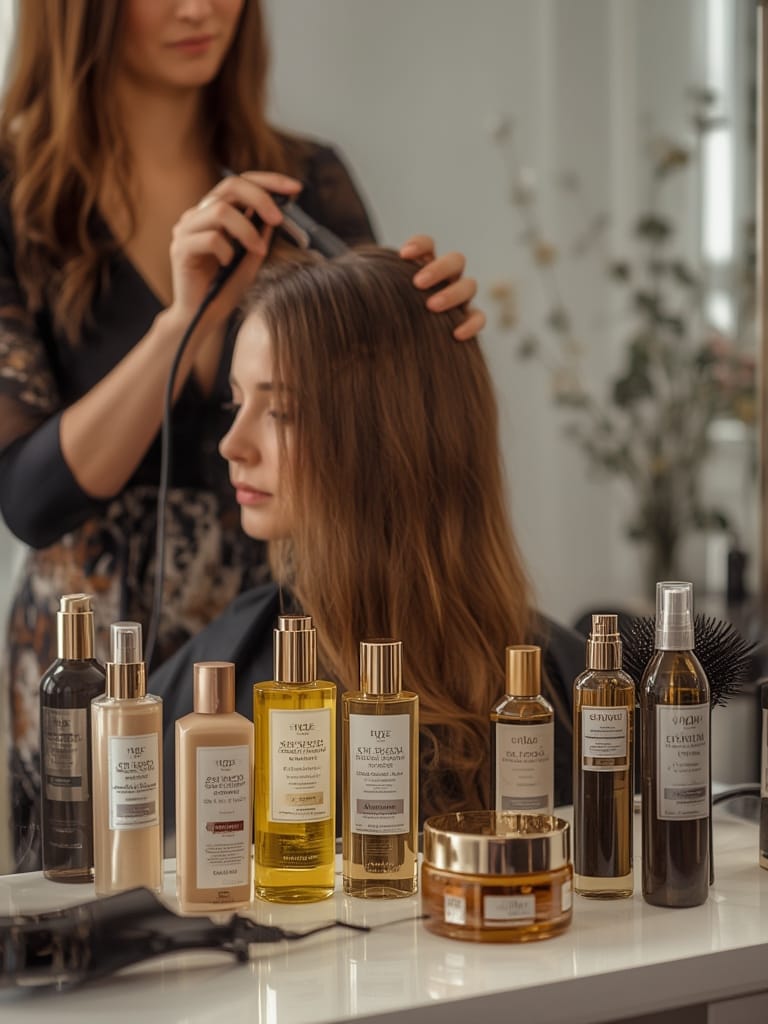
Moroccan Argan Oil – The “liquid gold” of hair oils, packed with vitamin E and fatty acids that seal moisture into dry strands. Luxury option: Moroccanoil Treatment ($45); Budget-friendly: OGX Argan Oil of Morocco ($8).
Jamaican Black Castor Oil – Perfect for strengthening hair follicles and encouraging growth. Luxury pick: Briogeo B. Well Organic Castor Oil ($26); Budget alternative: Tropic Isle Living Jamaican Black Castor Oil ($12).
Rosemary-Infused Oil – Studies show it’s as effective as minoxidil for stimulating growth. Try Mielle Organics Rosemary Mint Scalp & Hair Strengthening Oil ($10).
Jojoba Oil – Mimics natural sebum, making it ideal for balancing scalp oil production. Premium choice: Leonor Greyl Huile Secret de Beauté ($70).
Coconut Oil – Exceptional penetrating abilities make it perfect for deep conditioning. Luxury blend: Gisou Honey Infused Hair Oil ($87); Affordable option: SheaMoisture 100% Virgin Coconut Oil ($12).
For maximum benefits, consider incorporating argan oil, castor oil and other specialty oils into your weekly routine.
Step-by-Step Routine or Method
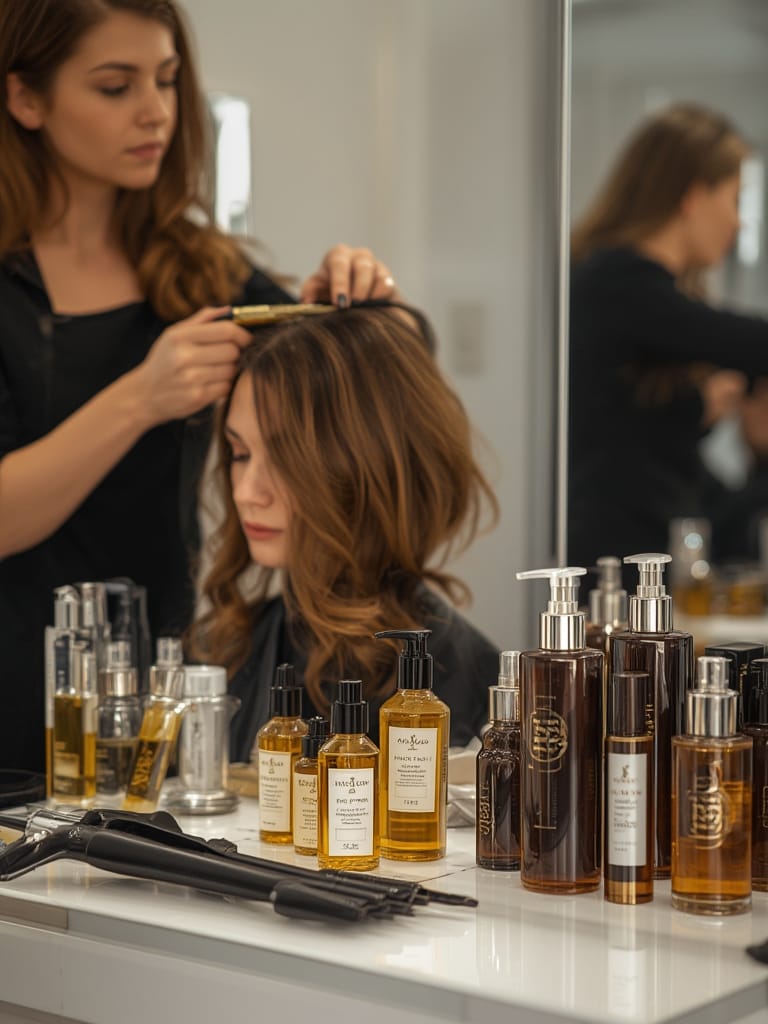
Pre-wash treatment – Apply heavier oils like castor or coconut to dry hair, focusing on ends and mid-lengths. For scalp stimulation, add 3-5 drops of rosemary essential oil to your base oil. Pro tip: Warm the oil between palms first for better absorption.
Scalp massage – Using fingertips (never nails), massage oil into scalp with circular motions for 3-5 minutes. This increases blood flow to follicles, encouraging faster growth.
Heat activation – Wrap hair in a warm towel or use a thermal cap for 30-60 minutes. The heat opens the hair cuticle, allowing oils to penetrate deeply.
Thorough cleansing – Use a clarifying shampoo, washing twice to remove all oil residue. Stylist secret: Add a teaspoon of baking soda to your shampoo for enhanced cleansing power.
Lightweight finishing – After styling, apply 2-3 drops of lightweight oil (argan or jojoba) to seal ends and add shine. Focus only on mid-lengths to ends for fine hair.
Key Benefits or Results
Regular use of premium hair oils delivers transformative results backed by both tradition and science. Clinical studies show that certain oils can reduce breakage by up to 50% within three weeks of consistent use. The fatty acid composition in oils like argan and coconut creates a protective barrier that prevents moisture loss and environmental damage.
Beyond the cosmetic benefits of increased shine and reduced frizz, the right oil treatment strengthens the hair shaft from within. Dermatologists confirm that scalp oils can improve microcirculation by 29%, delivering more nutrients to hair follicles and potentially increasing growth rate by 15-20% over three months.
Professional Tips & Alternatives
For curly hair, opt for lighter oils like grapeseed or sweet almond applied to soaking wet hair to enhance curl definition. Fine hair benefits from weekly oil treatments rather than daily application—focus on ends only, using no more than 1-2 drops.
Color-treated hair requires specialized care—look for oils containing UV filters like avocado oil to prevent fading. In high humidity environments, combine your oil with an anti-humectant serum for maximum frizz control. During winter months, increase treatment frequency to combat indoor heating damage.
Common Mistakes to Avoid
Overapplication – More isn’t better! A dime-sized amount is sufficient for most hair lengths. Correction: Use a dropper for precise application.
Poor distribution – Applying oil directly to hair creates concentrated spots. Instead, warm between palms first, then distribute evenly.
Skipping shampoo – Leftover oil attracts dirt and causes buildup. Always cleanse thoroughly after intensive treatments.
Incorrect oil selection – Using coconut oil on protein-sensitive hair can cause stiffness. Test a small section first or consult a professional.
Neglecting the scalp – The scalp is where growth happens! Include it in your treatment routine, focusing on massaging techniques.
Maintenance & Aftercare
Maintain your oil treatment benefits by limiting heat styling to 2-3 times weekly and always using thermal protection. Store natural oils in dark bottles away from direct sunlight to prevent rancidity—refrigeration extends shelf life for most botanical oils.
Rotate between different oil types monthly to address various hair concerns; for example, use growth-stimulating oils during seasonal shedding periods and moisturizing blends during summer. Clean application tools (droppers, massage brushes) weekly with mild soap to prevent bacterial growth.
Conclusion
Incorporating premium hair oils into your routine isn’t just about following trends—it’s about investing in your hair’s long-term health and beauty. By choosing the right oils, applying them correctly, and maintaining consistency, you can transform dry, damaged, or slow-growing hair into the luxurious mane you’ve always desired. Whether you opt for a single, high-quality argan oil or create a custom blend of botanical extracts, the path to exceptional hair health begins with these liquid treasures.
FAQs
- How often should I apply hair oil for maximum growth benefits?
For intensive treatments, apply once weekly. For maintenance, use a lightweight oil 2-3 times weekly, focusing on scalp massage to stimulate circulation. - Can hair oils make fine hair look greasy?
Yes, if over-applied. For fine hair, use 1-2 drops of lightweight oils like jojoba or grapeseed, applying only to ends and mid-lengths, never the roots. - How long should I leave oil treatments in my hair?
For deep conditioning, 1-2 hours or overnight. For daily treatments, apply to damp or dry hair and leave in until your next wash day. - Will hair oils help with dandruff and scalp issues?
Certain oils like tea tree, neem, and coconut have antimicrobial properties that can help with dandruff. For severe cases, combine with medicated treatments. - Can I mix different hair oils together?
Absolutely! Creating custom blends allows you to address multiple concerns simultaneously. Start with a base oil like jojoba and add specialized oils for targeted benefits.
Did you find this article helpful? be the first to rate us !
There are no reviews yet. Be the first one to write one.