
How to Choose the Right Hair Oil for Frizz Control & Shine
Introduction
Are your strands constantly battling the dreaded frizz halo, especially on humid days? You’re not alone. The secret weapon in every luxury haircare arsenal might just be the perfect hair oil. With countless options flooding the market, selecting hair oils for frizz control that truly deliver can feel overwhelming.
This comprehensive guide will help you navigate the world of premium hair oils to find your perfect match for sleek, glossy locks that turn heads for all the right reasons. Understanding the science behind frizz—and how oils combat it—will transform not just your hair, but your entire styling routine.
Table of Contents
Must-Have Products & Tools

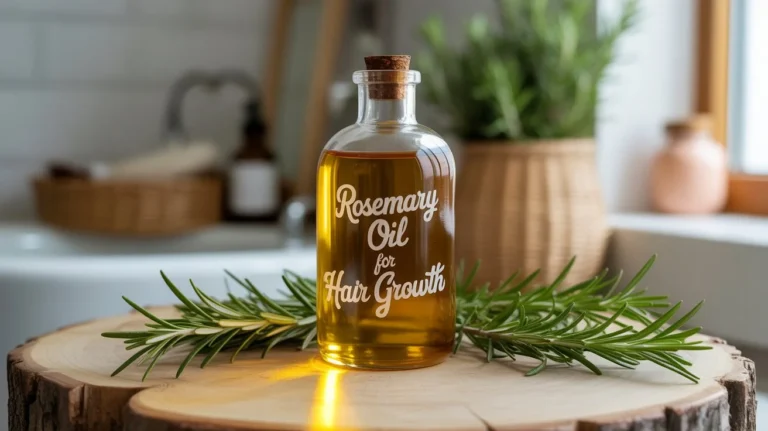
Essential Hair Oils
Argan Oil – Often called “liquid gold,” this Moroccan treasure delivers intense moisture without weighing hair down. Perfect for medium to thick textures.
Coconut Oil – A penetrating oil that works from within the hair shaft for deep repair. Best for dry, damaged hair types.
Jojoba Oil – Closely resembles your scalp’s natural sebum, making it ideal for balancing oil production while taming frizz.
lightweight hair oil, anti-frizz hair treatment, argan oil hair – These specialized formulations combine multiple oils with additional frizz-fighting ingredients for maximum effectiveness.
Grapeseed Oil – Ultra-lightweight option for fine hair that needs frizz control without heaviness.
Luxury Alternatives
For the ultimate indulgence, consider premium blends like Oribe Gold Lust Nourishing Hair Oil or Shu Uemura’s Essence Absolue Nourishing Oil, which combine rare oils with proprietary technology for unparalleled shine and protection.
Step-by-Step Routine or Method
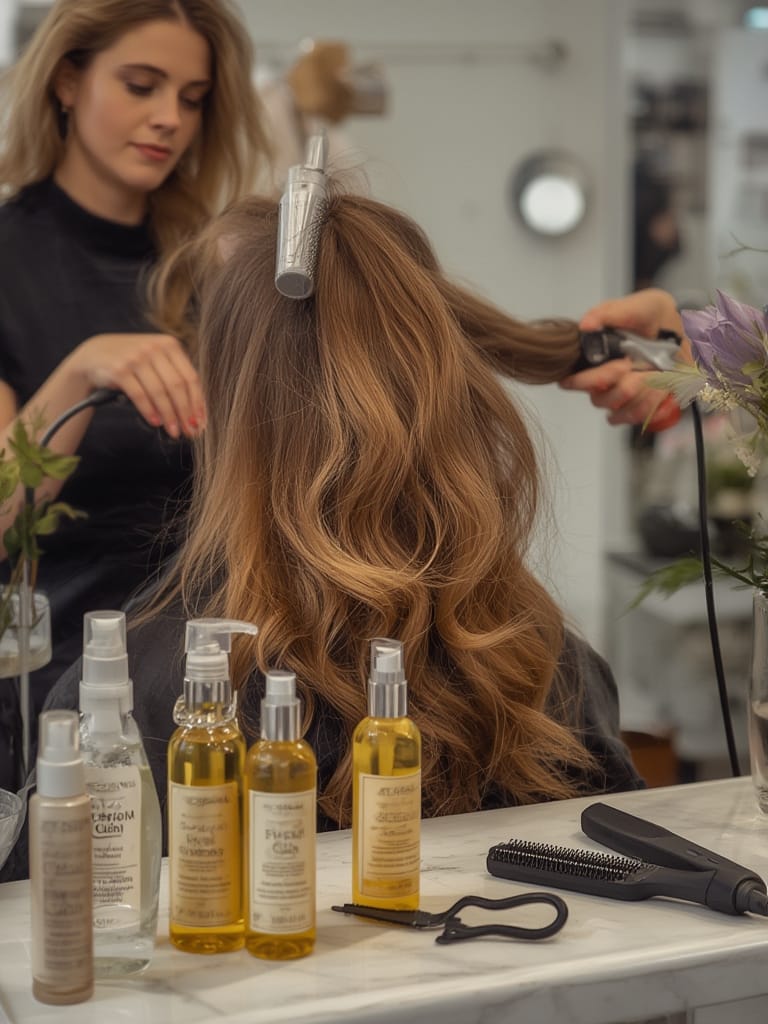
For Maximum Frizz Control:
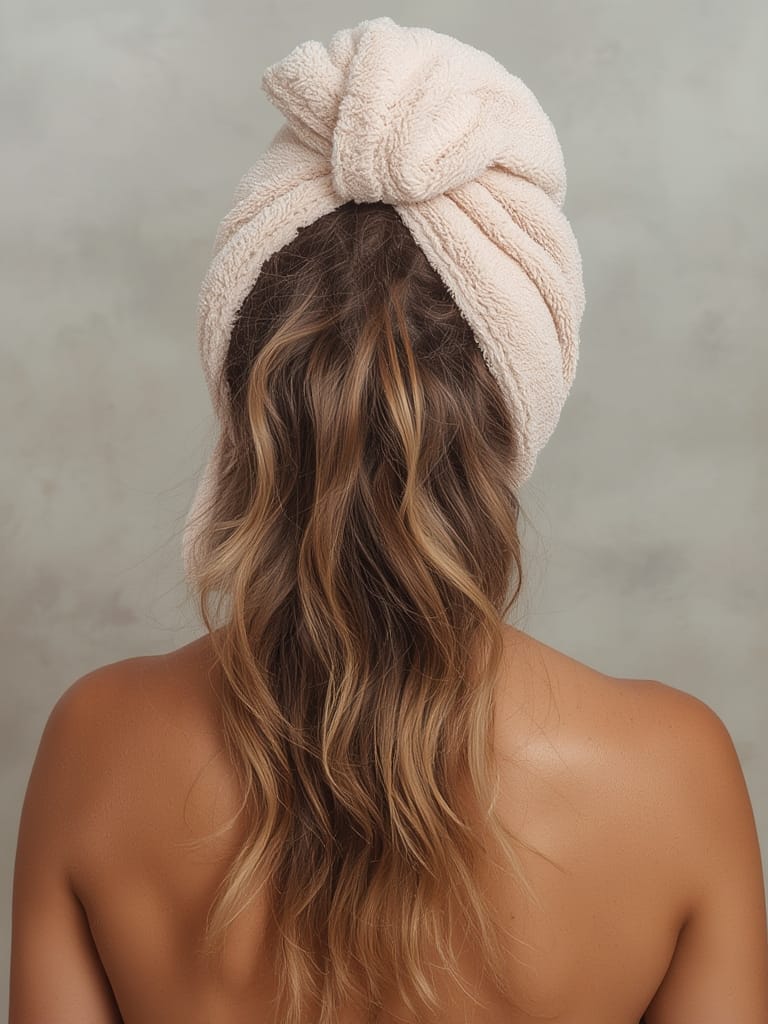
Start with damp hair – Apply oil to freshly washed, towel-dried hair when cuticles are most receptive. Focus on mid-lengths to ends, avoiding the roots unless you have extremely dry hair.Pro tip: Warm the oil between palms first to enhance absorption and distribution.
Use the right amount – Fine hair needs just 1-2 drops, while thick or coarse hair can benefit from 3-5 drops. Start with less—you can always add more.
Distribute evenly – Use a wide-tooth comb to ensure even distribution through all layers of your hair.
Style as usual – Follow with your regular styling routine; the oil creates a protective barrier against heat and environmental aggressors.
Touch-up application – For midday frizz emergencies, rub a tiny amount between fingers and gently smooth over frizzy areas.
Key Benefits or Results
Incorporating the right hair oil into your routine delivers transformative results beyond basic frizz control:
- Improved elasticity – Studies show regular oil use can reduce breakage by up to 50%
- Enhanced shine – Oils fill cuticle gaps for light reflection and mirror-like glossiness
- Thermal protection – Many premium oils offer heat protection up to 450°F
- Color preservation – UV filters in quality hair oils can extend color vibrancy by 40%
- Reduced drying time – Hair treated with appropriate oils repels excess water, accelerating drying
According to trichologists, consistent oil use over 8-12 weeks visibly transforms hair texture and manageability, particularly for those with high-porosity strands.
Professional Tips & Alternatives
For Different Hair Types:
- Fine hair: Choose silicone-free, lightweight oils like squalane or grapeseed applied primarily to ends
- Curly hair: Heavier oils like castor or olive oil work beautifully to define curl patterns
- Coily/textured hair: Layer multiple oils—lightweight followed by sealing oils for maximum moisture retention
Seasonal Adjustments:
During high humidity, incorporate anti-humectant oils like cyclomethicone to create a moisture barrier. In winter, boost hydration with more emollient oils like avocado or macadamia.
Common Mistakes to Avoid
Over-application – More isn’t better! Excess oil attracts dirt and can make hair appear greasy rather than glossy.
Applying to roots – Unless you have extremely dry hair or scalp, keep oils away from the root area to prevent limp, flat hair.
Ignoring hair porosity – High porosity hair needs heavier oils, while low porosity requires lightweight options that won’t sit on the surface.
Using the same oil year-round – Hair needs change seasonally and require different oil properties accordingly.
Maintenance & Aftercare
To maintain optimal results between applications:
- Use silk pillowcases to reduce friction and preserve the oil’s benefits overnight
- Store oils properly – Keep away from direct sunlight and heat to prevent rancidity
- Cleanse appropriately – Use sulfate-free shampoos to avoid stripping beneficial oils
- Rotate products – Switch between 2-3 different oil formulations to address changing hair needs
Conclusion
Selecting the right hair oil isn’t just about taming frizz—it’s about embracing a luxurious self-care ritual that transforms your relationship with your hair. By understanding your hair’s unique needs and following this guide, you’ll unlock the secret to consistently smooth, radiant locks. Remember, premium hair care isn’t an expense—it’s an investment in your confidence and personal style. Which oil will you try first on your journey to frizz-free elegance?
FAQs
- How often should I apply hair oil for frizz control?
Most hair types benefit from application 2-3 times weekly. Very dry or damaged hair may need daily light application to ends only. - Can I use cooking oils instead of specialized hair oils?
While some kitchen oils like coconut or olive oil can work, specialized hair oils contain additional ingredients for stability, fragrance, and enhanced performance. - Will hair oil make my fine hair look greasy?
Not if applied correctly. Choose lightweight formulas, use minimal amounts, and focus application on mid-lengths to ends. - Is it better to apply hair oil to wet or dry hair?
For frizz prevention, damp hair is ideal. For touch-ups and shine enhancement, lightly apply to dry hair. - Can hair oils help with heat protection?
Many premium hair oils offer thermal protection up to 450°F, but check product specifications as protection levels vary between formulations.
Did you find this article helpful? be the first to rate us !
There are no reviews yet. Be the first one to write one.