
10 Hair Masks That Repair Damage Fast
Introduction
Is your hair crying out for some serious TLC? If you’re battling breakage, dryness, or dullness, you’re not alone. Premium hair restoration is no longer just a salon luxury—it’s a vital part of maintaining healthy, vibrant locks at home. The secret weapon in your haircare arsenal? An effective Hair Masks that delivers intensive repair in minimal time.
These concentrated treatments work harder than regular conditioners, penetrating deep into damaged hair shafts to restore moisture, rebuild protein structures, and bring back that coveted shine.
Table of Contents
Must-Have Products & Tools
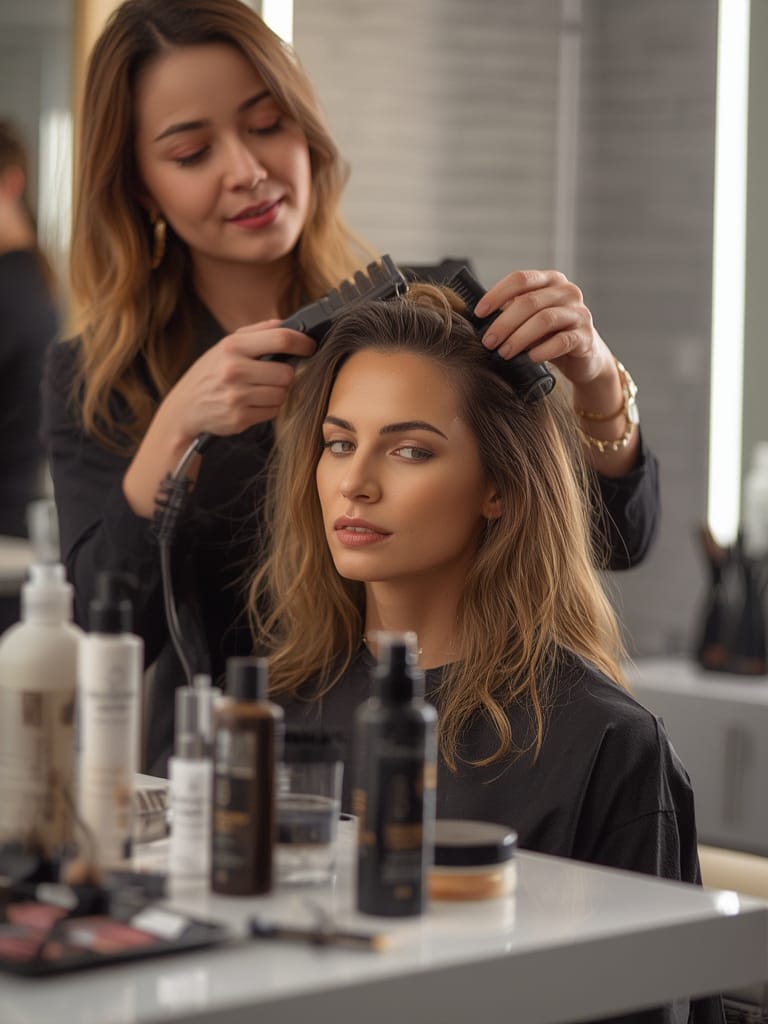
Olaplex No. 3 Hair Perfector – This cult-favorite uses patented bond-building technology to repair broken hair bonds at a molecular level.
Briogeo Don’t Despair, Repair! – A nutrient-rich formula packed with B-vitamins, rosehip oil, and algae extract for intense moisture without silicones.
Kerastase Nutritive Masquintense – Luxury personified with iris rhizome extract that nourishes severely dry hair types.
Amika Soulfood Nourishing Mask – Contains sea buckthorn berry with 190+ biologically active compounds that revitalize damaged strands.
Moroccanoil Intense Hydrating Mask – Argan oil-infused treatment that dramatically improves hair’s elasticity and manageability.
Budget Option: SheaMoisture Raw Shea Butter Mask – Affordable yet effective with raw shea butter, argan oil, and sea kelp for under $15.
Application Tools – Wide-tooth comb, shower cap, and microfiber hair towel for optimal product distribution and absorption.
Step-by-Step Routine or Method
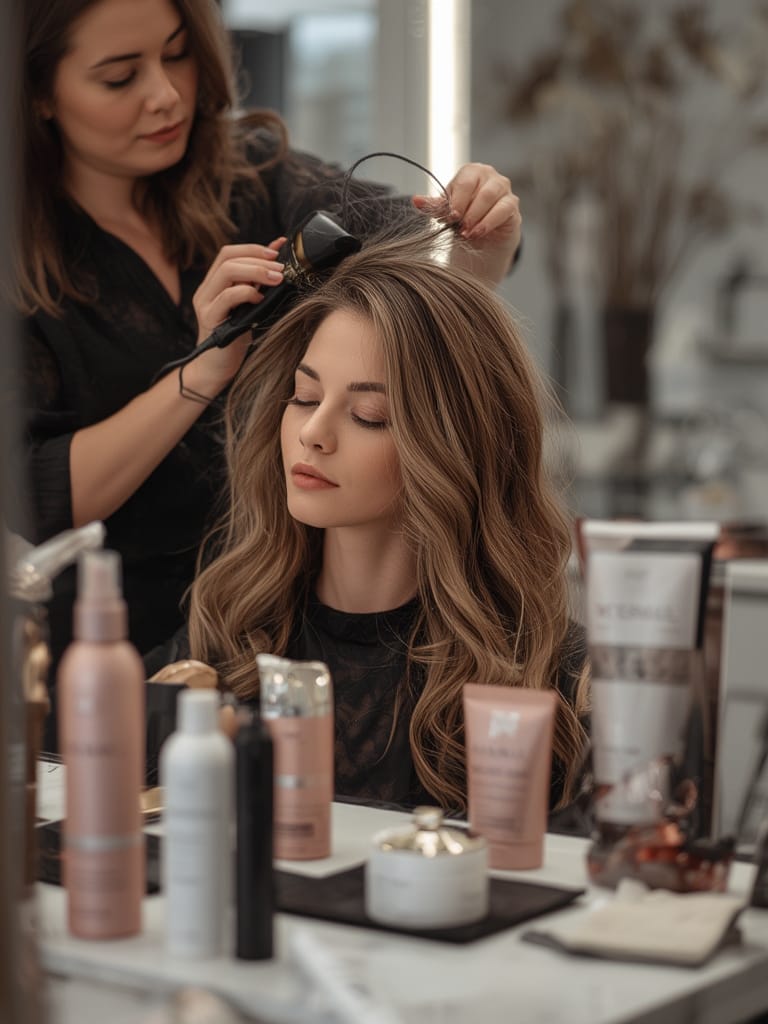
Prepare Your Hair – Shampoo with lukewarm water to open the cuticles and remove product buildup. Gently squeeze out excess water until hair is damp, not dripping.
Pro Tip: For severely damaged hair, use a clarifying shampoo first to ensure the mask can penetrate effectively.Apply the Mask – Take a quarter-sized amount (more for longer hair) and distribute evenly from mid-lengths to ends. Use a wide-tooth comb for even distribution.
Pro Tip: Focus on the most damaged areas, typically the ends and any heat-damaged sections.Process with Heat – Cover with a shower cap and wrap with a warm towel to enhance penetration. The heat opens hair cuticles allowing deeper absorption of active ingredients.
Pro Tip: For maximum results, use a bonnet hair dryer attachment on low heat for 10-15 minutes.Rinse Thoroughly – Use cool water to close the cuticles and seal in the treatment benefits. Avoid hot water which can strip away the mask’s nourishing ingredients.
Follow Up Correctly – Apply a light leave-in conditioner only if your hair is extremely porous. Style as usual, minimizing heat tools after treatment.
Key Benefits or Results
Regular use of quality Hair Mask treatments delivers remarkable improvements within 2-3 weeks. According to a 2023 beauty industry study, participants using premium hair masks twice weekly reported 78% less breakage and 64% improved elasticity. The concentrated formulas with molecular repair technology rebuild hair’s internal structure while sealing the cuticle layer, resulting in visibly smoother, more manageable hair that reflects light better. This creates that sought-after salon-fresh shine that signals healthy hair.
Professional Tips & Alternatives
For fine hair, apply masks only from mid-length to ends to avoid weighing down roots. Those with curly or coily textures benefit from deep conditioning with protein-moisture balanced formulas like the DevaCurl Heaven In Hair mask. Color-treated hair needs masks with UV filters and antioxidants to prevent fading—try Pureology’s Hydrate Superfood mask.
During winter, increase treatment frequency to combat indoor heating dryness. In summer, look for UV-protective ingredients like rice protein or sunflower seed extract to shield against sun damage.
Common Mistakes to Avoid
Overusing Protein Treatments – Excessive protein can cause hair to become brittle. Balance with moisturizing masks.
Inadequate Processing Time – Rushing the process limits absorption. Most masks need 5-20 minutes to work effectively.
Applying to Soaking Wet Hair – This dilutes the formula. Towel-dry first for maximum potency.
Using Too Much Product – More isn’t better; excess product sits on the surface without penetrating.
Rinsing with Hot Water – This reopens cuticles, releasing the beneficial ingredients you just applied.
Maintenance & Aftercare
Maintain your hair’s renewed health by incorporating a Hair Mask into your routine 1-2 times weekly. Store masks away from direct sunlight and heat to preserve active ingredients. Rotate between protein-based and moisture-focused treatments based on your hair’s changing needs. After masking, minimize heat styling for 24 hours to maximize the treatment benefits. Consider silk pillowcases to reduce friction and maintain the smooth results longer.
Conclusion
Transforming damaged hair into healthy, resilient locks is achievable with the right hair mask regimen. By choosing premium formulations that address your specific concerns and following proper application techniques, you’ll see remarkable improvements in texture, strength, and shine. Remember that consistency is key—even the most luxurious treatments require regular use to deliver their full potential. Your hair deserves this elevated care routine, and the confidence that comes with beautiful, healthy hair is truly priceless.
FAQs
- How often should I use a hair mask if my hair is severely damaged?
For severely damaged hair, use a mask twice weekly for the first month, then scale back to once weekly for maintenance once you see improvement. - Can I leave a hair mask on overnight?
Unless specifically formulated for overnight use, most masks shouldn’t be left on longer than 30 minutes as they may over-condition or create product buildup. - Are DIY hair masks as effective as store-bought ones?
While DIY masks offer natural benefits, professional formulations contain concentrated active ingredients and specialized delivery systems that typically provide more dramatic repair. - Do I need different hair masks for different seasons?
Yes, humidity and temperature changes affect hair needs. Winter typically requires more moisturizing formulas, while summer calls for lightweight, UV-protective options. - Can hair masks fix split ends permanently?
Hair masks can temporarily seal split ends and improve their appearance, but only trimming can permanently remove them since they cannot be fully repaired once split.
Did you find this article helpful? be the first to rate us !
There are no reviews yet. Be the first one to write one.