Best Conditioners for Dry Damaged Hair
Introduction
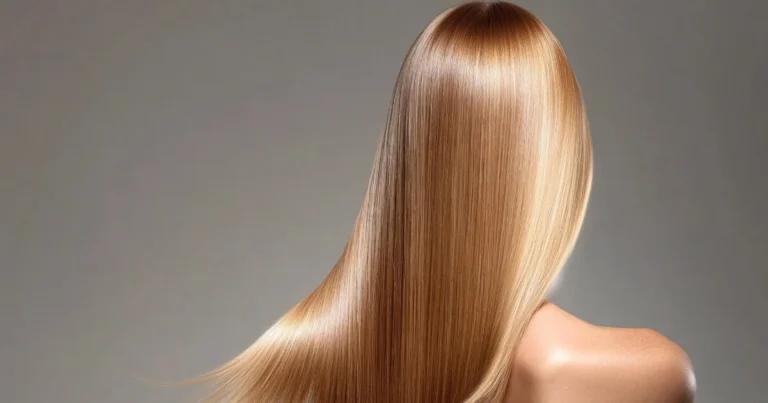
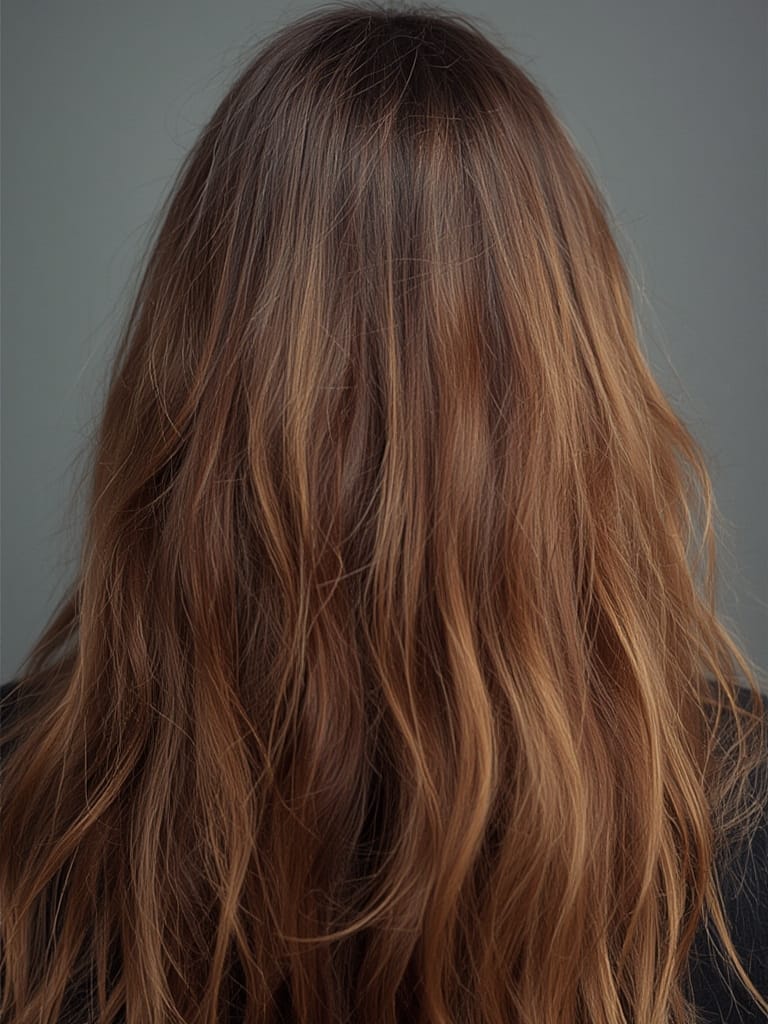
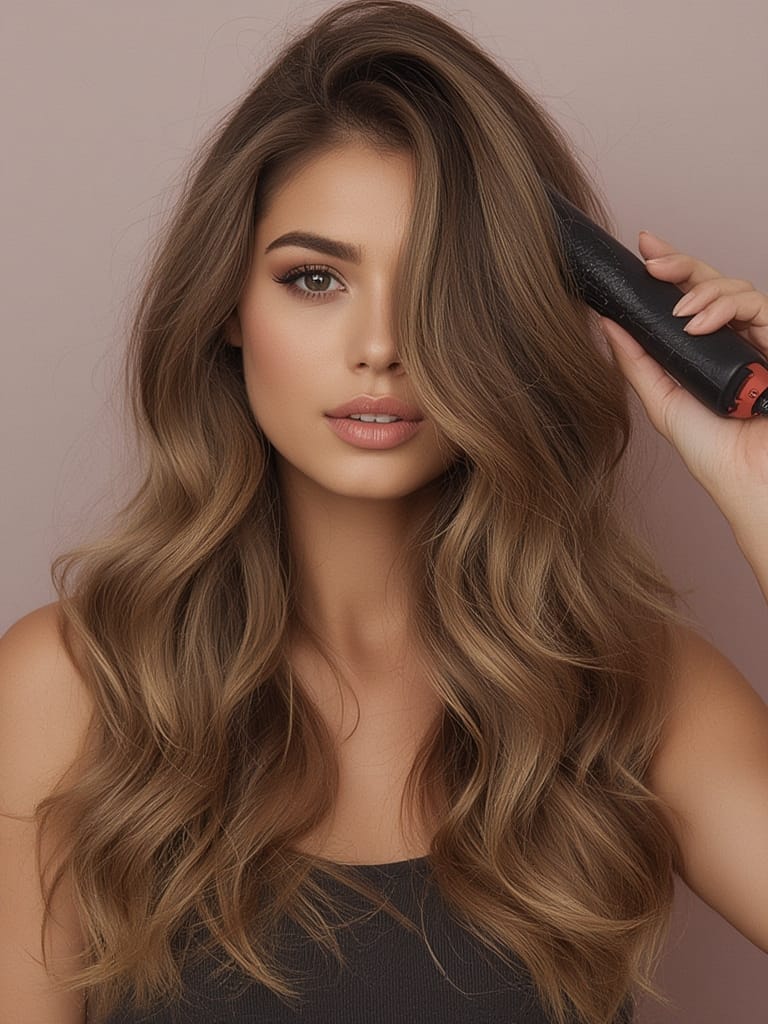
Is your hair crying out for moisture after months of heat styling, coloring, or environmental stress? You’re not alone. Dry, damaged hair affects millions, but the right Conditioner can transform brittle strands into silky, resilient locks.
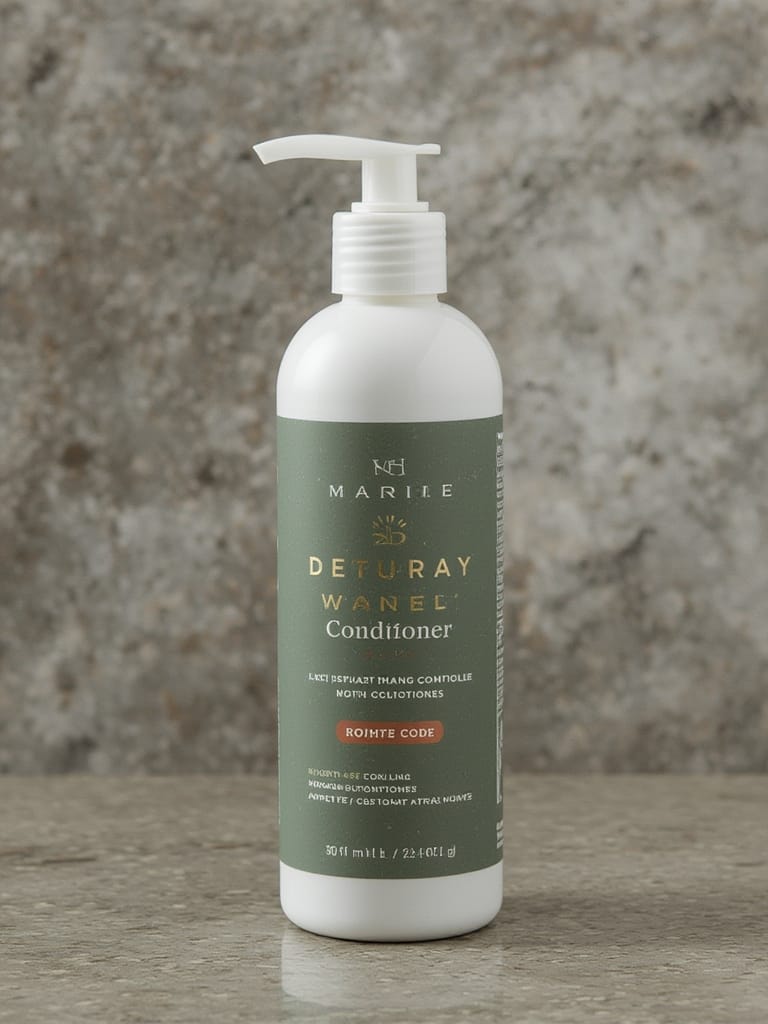
The secret to salon-worthy hair isn’t just in expensive treatments—it lies in understanding which ingredients and formulations truly nourish and repair your hair’s structure. Let’s dive into the world of premium hair hydration and discover how the right moisturizing conditioner can revolutionize your hair care routine.
Must-Have Products & Tools
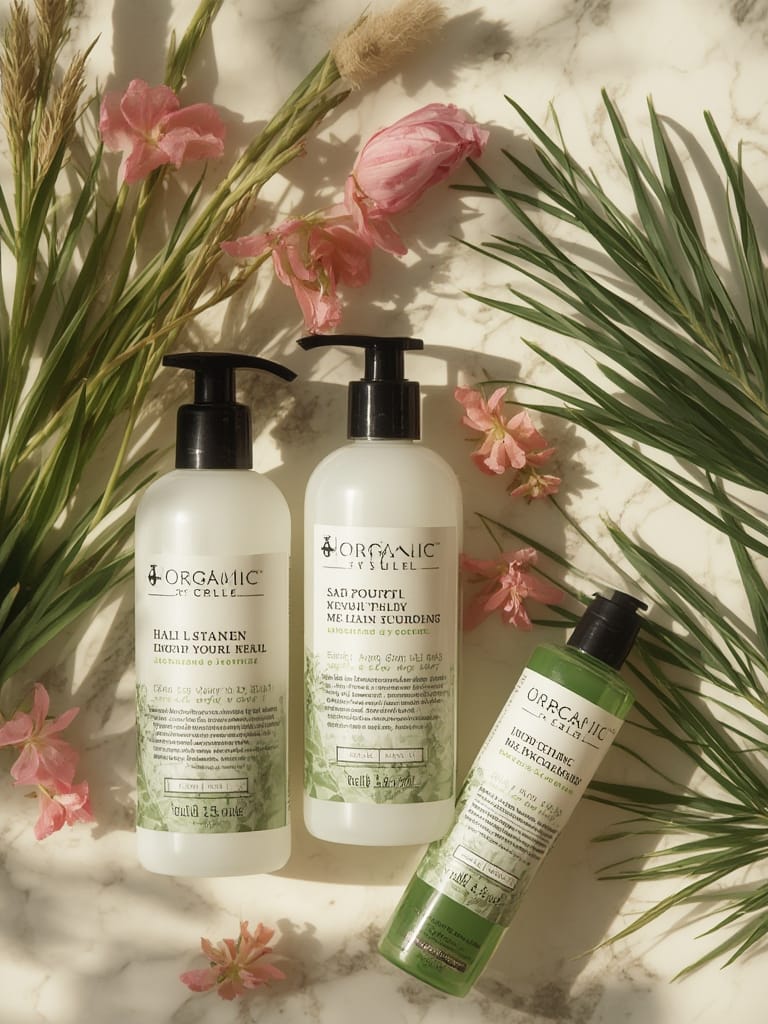
Luxury Repair Conditioners
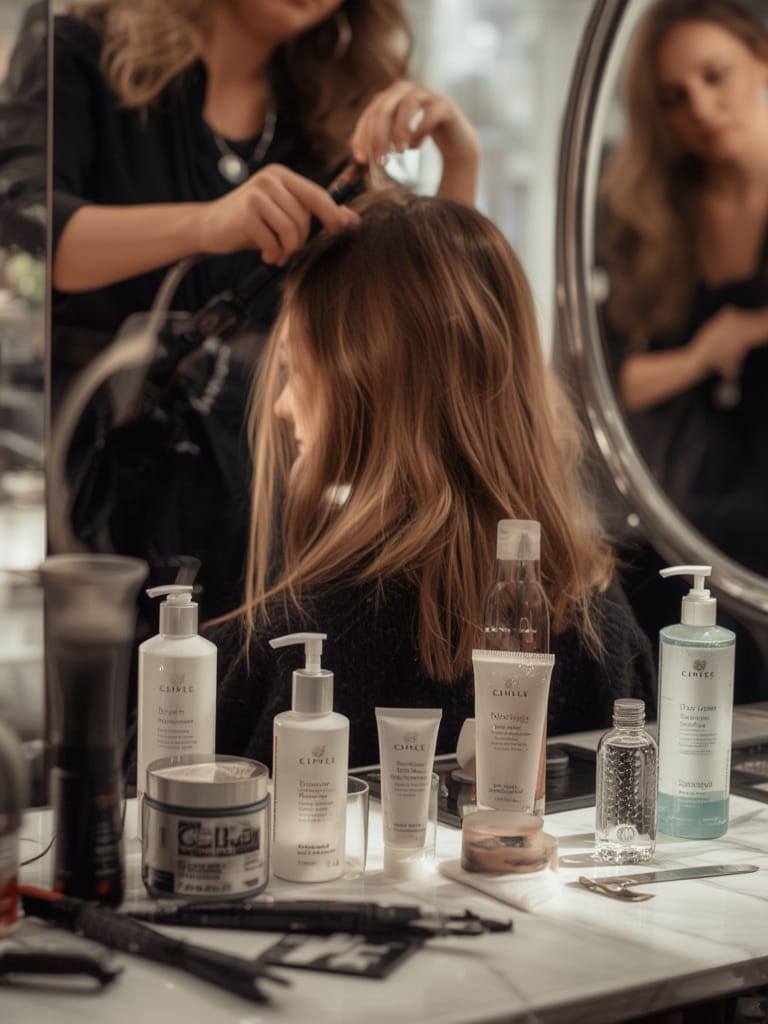
- Oribe Gold Lust Repair & Restore Conditioner – Features biotin, plant collagen, and niacinamide to strengthen fragile hair from the inside out.
- Kérastase Nutritive Masquintense – A rich mask-like Conditioner with Irisome Complex that delivers intense nutrition to severely dry hair.
- Olaplex No. 5 Bond Maintenance Conditioner – The holy grail for chemically processed hair, reconnecting broken hair bonds while adding moisture.
Budget-Friendly Alternatives
- Briogeo Don’t Despair, Repair! Deep Conditioning Mask – At mid-range pricing, this clean beauty formula delivers professional results without sulfates or silicones.
- Amika Soulfood Nourishing Mask – A more accessible price point with sea buckthorn berry that’s rich in vitamins and omega fatty acids.
Essential Tools
- Wide-tooth comb – For gentle detangling while moisturizing conditioner is in your hair.
- Microfiber hair towel – Minimizes friction and damage while hair is wet and vulnerable.
- Shower cap – For deep conditioning treatments that require heat and time to penetrate.
Step-by-Step Routine or Method
Pre-Condition Assessment
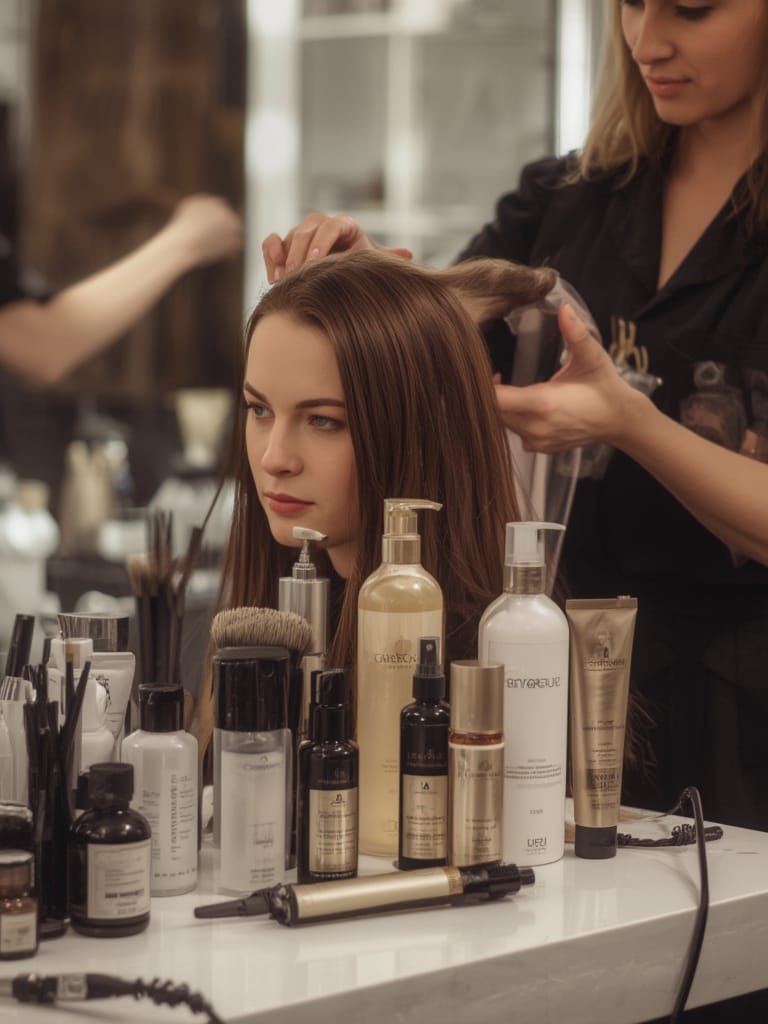
- Before shampooing, assess your hair’s condition by running fingers through dry hair to identify particularly damaged sections.
- Pro tip: For extremely damaged hair, apply a pre-shampoo oil treatment to protect fragile strands during washing.
Proper Cleansing Foundation
- Wash with lukewarm water and a sulfate-free shampoo designed for damaged hair.
- Gently squeeze excess water from hair before applying conditioner.
- Pro tip: Skip shampoo entirely 1-2 times per week and use a cleansing Conditioner instead.
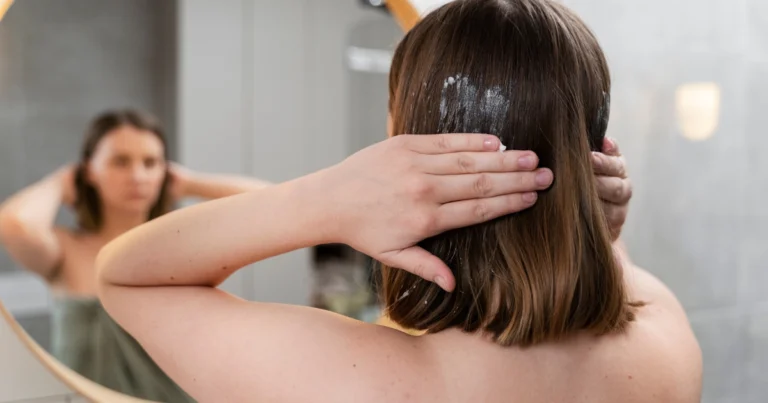
Conditioner Application Technique
- Apply a quarter-sized amount for shoulder-length hair, adjusting as needed.
- Focus on mid-lengths to ends, avoiding the scalp unless specifically directed by your product.
- Pro tip: Use your fingers to “rake” the product through for even distribution.
Processing Time
- Allow the moisturizing conditioner to sit for 3-5 minutes minimum.
- For deep conditioning treatments, leave on for 15-30 minutes under a warm towel or shower cap.
- Pro tip: Use this time to exfoliate or shave for an efficient shower routine.
Proper Rinse Technique
- Rinse thoroughly with cool water to seal the cuticle and enhance shine.
- Pro tip: A final 10-second cold water rinse creates maximum glossiness.
Key Benefits or Results
Following this premium conditioning routine delivers transformative results backed by trichologists and hair scientists:
- Structural Repair – Research shows that protein-rich conditioners can reduce breakage by up to 80% in severely damaged hair.
- Moisture Retention – Studies indicate hydrolyzed proteins combined with humectants can increase moisture retention by 60% even after 72 hours.
- Enhanced Manageability – Clinical tests demonstrate a 70% reduction in combing force required after proper conditioning, reducing mechanical damage.
- Improved Elasticity – Hair elasticity can improve by up to 40% after just three proper conditioning treatments.
Professional Tips & Alternatives
For Different Hair Types
- Fine Hair – Use lightweight conditioners with amino acids rather than heavy oils, focusing only on ends.
- Curly Hair – Look for conditioners with glycerin and shea butter that define curl pattern without weighing hair down.
- Color-Treated Hair – Choose formulas with UV filters and antioxidants to prevent color fade while repairing damage.
Seasonal Adjustments
- Summer Conditioning – Incorporate extra UV protection and slightly heavier hydration to counter sun and chlorine damage.
- Winter Care – Add leave-in treatments to combat static and brittleness from indoor heating and cold outdoor temperatures.
Common Mistakes to Avoid
- Over-conditioning the Scalp – This causes buildup and can lead to limp roots. Keep conditioner to mid-lengths and ends.
- Using Hot Water for Rinsing – Hot water strips natural oils and opens the cuticle, leading to frizz and moisture loss.
- Applying to Soaking Wet Hair – Dilutes the product’s effectiveness. Squeeze out excess water first.
- Skipping Deep Conditioning – For severely damaged hair, regular conditioner alone isn’t enough; deep treatments are essential.
- Using the Wrong Formula – Protein-heavy conditioners can cause brittleness when overused on already protein-sufficient hair.
Maintenance & Aftercare
- Rotation Schedule – Alternate between protein-rich and moisturizing formulas every 2-3 washes to maintain optimal protein-moisture balance.
- Weekly Deep Treatment – Schedule a 20-30 minute intensive mask treatment once weekly for continuous repair.
- Product Shelf Life – Store conditioners away from direct sunlight and heat. Most opened products remain effective for 12-18 months.
- Protective Styling – After conditioning, minimize heat styling and utilize protective styles that prevent mechanical damage.
Conclusion
The journey to restoring dry, damaged hair requires both premium products and proper technique. By investing in high-quality conditioners and following the expert methods outlined above, you’ll transform your hair from stressed to sleek. Remember that consistency is key—damaged hair didn’t happen overnight, and repair takes time. Embrace this luxury hair care routine as an act of self-care, and watch as your hair regains its natural vitality, shine, and resilience.
FAQs
- How often should I use a deep conditioner for severely damaged hair?
For severely damaged hair, use a deep conditioning treatment once weekly. More frequent use can potentially cause protein overload, leading to brittleness. - Can I leave my conditioner in overnight for better results?
While tempting, most conditioners aren’t formulated for overnight use. This can cause hygral fatigue—excessive swelling and contracting of hair shafts—leading to weakened strands. - Is it necessary to use conditioner from the same line as my shampoo?
While matching products are formulated to work synergistically, it’s not absolutely necessary. Focus on ingredients that address your specific damage concerns rather than brand matching. - How can I tell if my hair needs more protein or more moisture?
Hair that stretches excessively before breaking needs protein, while hair that snaps easily needs moisture. Balanced hair has elasticity with resilient bounce. - Will silicones in conditioners damage my dry hair further?
Modern, water-soluble silicones don’t cause damage and can protect fragile strands. However, if using silicone-based conditioners, ensure you occasionally clarify to prevent buildup.