
Best Hair Vitamins for Stronger Growth
Introduction
Are your strands falling flat despite trying every luxury shampoo and treatment on the market? The secret to truly transforming your hair might not be in your shower caddy but in your supplement drawer.
When it comes to achieving those enviable, commercial-worthy locks, what you put inside your body matters just as much as what you apply externally. Hair Vitamins have revolutionized the beauty industry by addressing hair health at its biological foundation—the follicle. With celebrities and stylists alike swearing by these tiny powerhouses, understanding which supplements actually deliver results has become essential for anyone serious about premium haircare.
Table of Contents
Must-Have Products & Tools
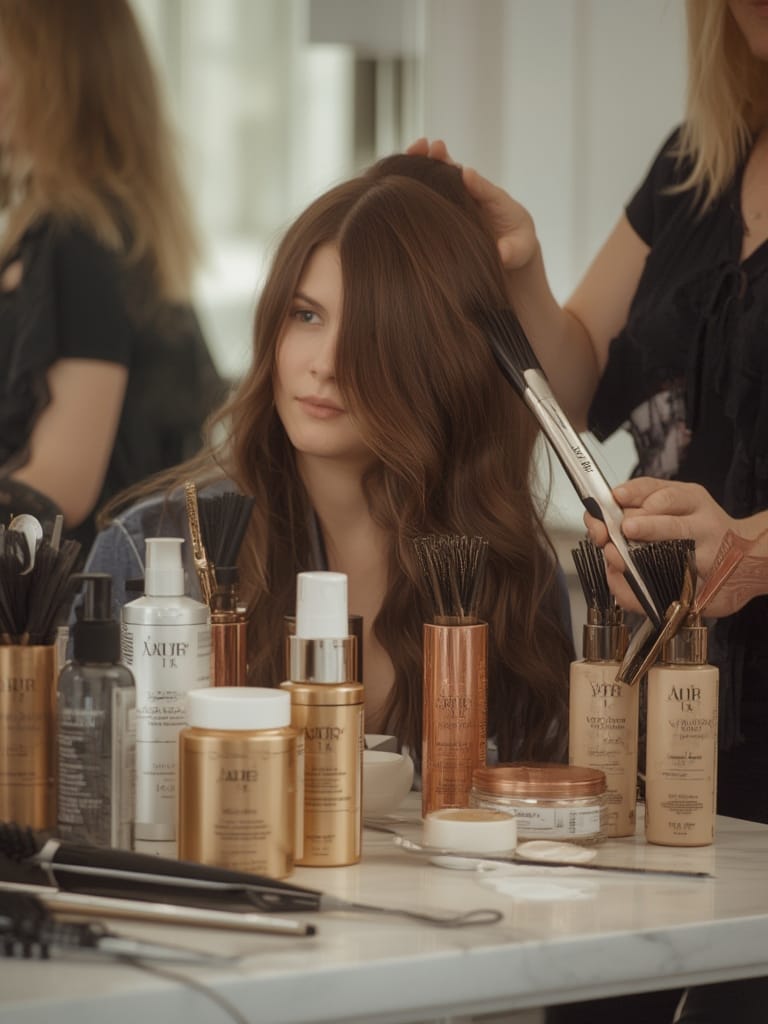
The world of hair supplements can be overwhelming, but these standout options deliver proven results:
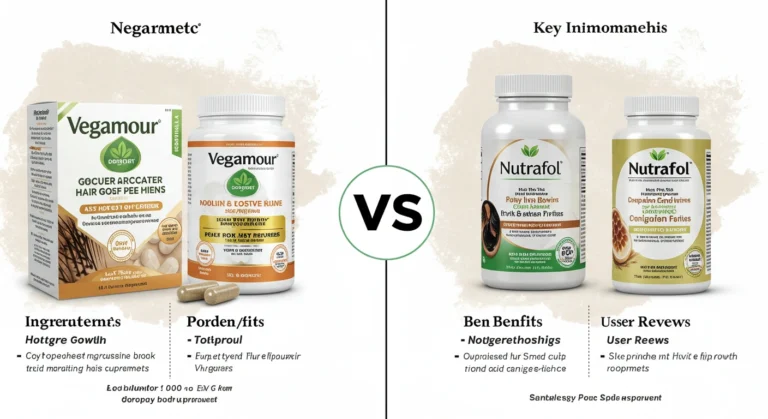
Nutrafol Women’s Hair Growth Supplement – The gold standard in hair wellness, combining clinically-tested ingredients that target multiple root causes of thinning. Contains biotin, saw palmetto, and adaptogens for stress management.
biotin supplements – An affordable yet effective option with high-potency formulations (5,000-10,000mcg) that support keratin infrastructure. Ideal for those noticing breakage or slowed growth.
Viviscal Professional – Favored by celebrity hairstylists, this marine-based supplement contains the proprietary AminoMar C™ complex that nourishes follicles through all four stages of hair growth.
Moon Juice SuperHair – A luxury alternative featuring adaptogenic herbs and bioavailable minerals that combat stress-related shedding while supporting scalp health.
The Ordinary Multi-Peptide Serum – While not a vitamin, this topical growth stimulant works synergistically with internal supplements for enhanced results. Budget-friendly option that delivers salon-quality enhancement.
Step-by-Step Routine or Method
Maximizing hair vitamin efficacy requires a strategic approach:
Begin with blood work – Consult with your physician for a comprehensive panel to identify specific deficiencies. Pro tip: Check ferritin, vitamin D, zinc, and B vitamin levels specifically, as these directly impact hair growth cycles.
Select targeted supplementation – Choose formulations addressing your specific concerns rather than generic “hair vitamins.” For postpartum shedding, look for folate-rich options; for stress-related thinning, adaptogenic formulas work best.
Create a consistent schedule – Take supplements at the same time daily with food to improve absorption rates. Most fat-soluble vitamins (A, D, E, K) should be taken with meals containing healthy fats.
Document your journey – Take monthly progress photos in similar lighting to track improvements objectively. Hair growth occurs at approximately ½ inch per month, so expect visible results around the 90-day mark.
Pair with supportive haircare – Incorporate sulfate-free cleansers and heat protectants to preserve new growth. Celebrity stylist secret: Use a silk pillowcase to prevent friction that can counteract your supplement efforts.
Key Benefits or Results
Investing in quality hair vitamins delivers multiple transformations beyond simple growth:
• Enhanced growth rate – Clinical studies show supplements can improve growth by up to 32% when addressing specific deficiencies.
• Increased diameter – Regular supplementation leads to thicker individual strands by improving keratin production—the protein that forms 91% of hair structure.
• Improved texture – Users report silkier, more manageable hair with reduced frizz after 12 weeks of consistent use.
• Reduced shedding – Harvard dermatologists confirm that addressing nutritional gaps can decrease daily hair fall by approximately 80-100 strands per day.
• Scalp health optimization – Many premium formulations include ingredients that balance scalp microbiome, reducing dandruff and irritation that impede healthy growth.
Professional Tips & Alternatives
For truly customized results, consider these expert recommendations:
For curly hair types, focus on supplements containing omega-3 fatty acids and vitamin E to maintain moisture balance and define curl patterns. Those with fine hair should avoid excessive biotin, which can occasionally trigger breakouts in sensitive individuals.
During summer months, increase antioxidant intake (vitamins C and E) to combat UV damage that weakens hair structure. Conversely, in winter, emphasize vitamin D supplementation as natural synthesis decreases with less sun exposure.
Natural alternatives include collagen-rich bone broth, which provides amino acids for keratin formation, and rosemary tea rinses that stimulate circulation similar to minoxidil without chemical intervention.
Common Mistakes to Avoid
Even the most premium supplements won’t deliver results if you’re making these critical errors:
• Expecting overnight results – Hair grows approximately ½ inch monthly, meaning visible improvements require patience. Solution: Commit to a 3-month minimum trial period.
• Inconsistent consumption – Sporadic supplementation disrupts the hair growth cycle. Fix this by setting daily reminders or incorporating vitamins into an existing routine.
• Ignoring lifestyle factors – Supplements can’t counteract severe stress, poor hydration, or nutrient-deficient diets. Balance internal and external approaches for optimal outcomes.
• Overloading on biotin – More isn’t always better. Excessive biotin can skew lab test results and occasionally cause skin breakouts. Stick to recommended dosages.
Maintenance & Aftercare
Sustaining your results requires strategic long-term planning:
Rotate supplements seasonally to address changing hair needs—emphasize moisture-retaining ingredients in winter and protection-focused antioxidants during summer months. Store vitamins in cool, dry places away from direct sunlight to preserve potency and active ingredients.
Consider quarterly scalp detoxification treatments to remove product buildup that can block follicles, preventing maximum nutrient absorption from both topical products and internal supplements. Professional stylists recommend incorporating a weekly pre-shampoo oil treatment to maintain scalp health between supplement doses.
Conclusion
The journey to stronger, more luxurious hair begins from within. By incorporating targeted, high-quality Hair Vitamins into your beauty regimen, you’re addressing the root causes of hair concerns rather than just masking symptoms. Remember that consistency is key—commit to your chosen supplements, document your progress, and pair internal nourishment with appropriate external care. Your hair’s potential goes far beyond what styling products alone can achieve. We’d love to hear about your experience with hair supplements in the comments below!
FAQs
- How long does it take to see results from hair vitamins?
Most users notice improvements in texture and reduced shedding within 30 days, while visible growth and thickness typically appear around the 90-day mark due to the natural hair growth cycle. - Can I take multiple hair supplements simultaneously?
It’s not recommended to combine different hair-specific formulations as this can lead to excessive amounts of certain nutrients. Choose one comprehensive formula rather than stacking multiple products. - Do biotin supplements really work for hair growth?
Biotin is effective primarily for individuals with existing biotin deficiencies. For those with adequate levels, results vary, though many users report improved texture and strength. - Are expensive hair vitamins worth the investment compared to drugstore options?
Premium formulations typically contain proprietary blends, higher bioavailability, and additional supportive ingredients. The value depends on your specific hair concerns and budget constraints. - Can hair vitamins help with postpartum hair loss?
Many specialized formulations address hormonal-related shedding, though always consult your healthcare provider before beginning any supplement regimen during or after pregnancy.
Did you find this article helpful? be the first to rate us !
There are no reviews yet. Be the first one to write one.