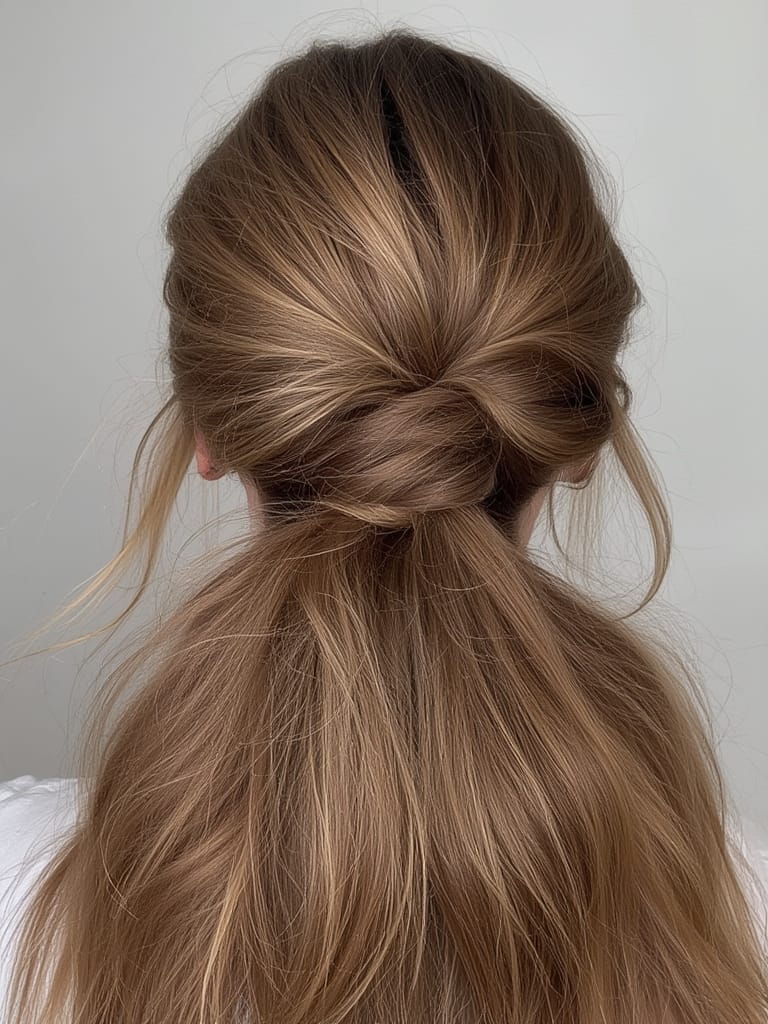
Best Hair Elastics That Prevent Breakage
Introduction
Is your ponytail secretly sabotaging your hair health? Every time you secure your locks with the wrong hair tie, you might be causing micro-damage that leads to breakage, split ends, and stunted growth. Finding the right Hair Elastic isn’t just about keeping your style in place—it’s about preserving your hair’s integrity and natural beauty.
With the average person using hair ties daily (sometimes multiple times per day), choosing ones designed to minimize damage can significantly impact your hair’s long-term health and appearance.
Table of Contents
Must-Have Products & Tools
Gentle Hair Elastic Options
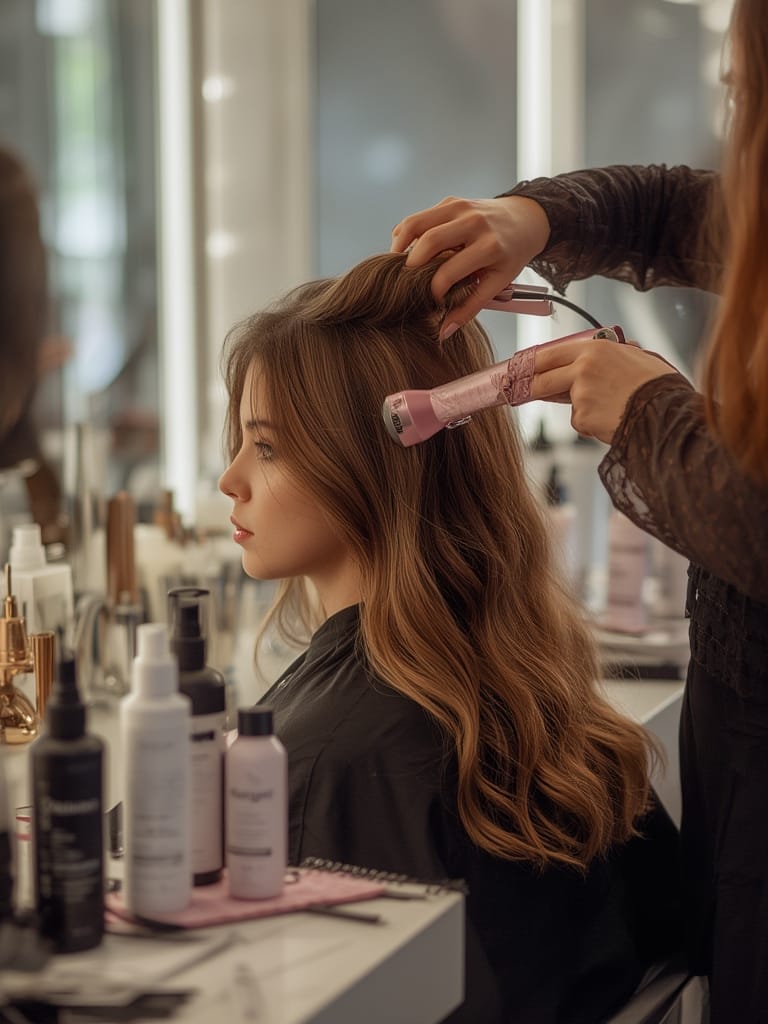
Silk Scrunchies – These luxurious options provide maximum protection by reducing friction. Slip Silk Scrunchies ($39 for a set) offer superior smoothness that hair glides against rather than catches on.
Spiral Hair Coils – The telephone cord-style hair ties distribute pressure evenly and don’t leave creases. Invisibobble Power ($8) provides strong hold without sacrificing gentleness.
Ribbon Elastics – Seamless options like Emi Jay ribbon ties ($12) eliminate the metal crimp that can snag and break strands.
Microfiber Hair Ties – Budget-friendly alternatives like Kitsch microfiber elastics ($6) provide gentle hold without the premium price tag.
Satin-Lined Elastics – Protective styles benefit from specialty elastics like Design Essentials Satin-Lined bands ($10) that shield textured hair.
Step-by-Step Routine or Method
Damage-Free Hair Tying Technique
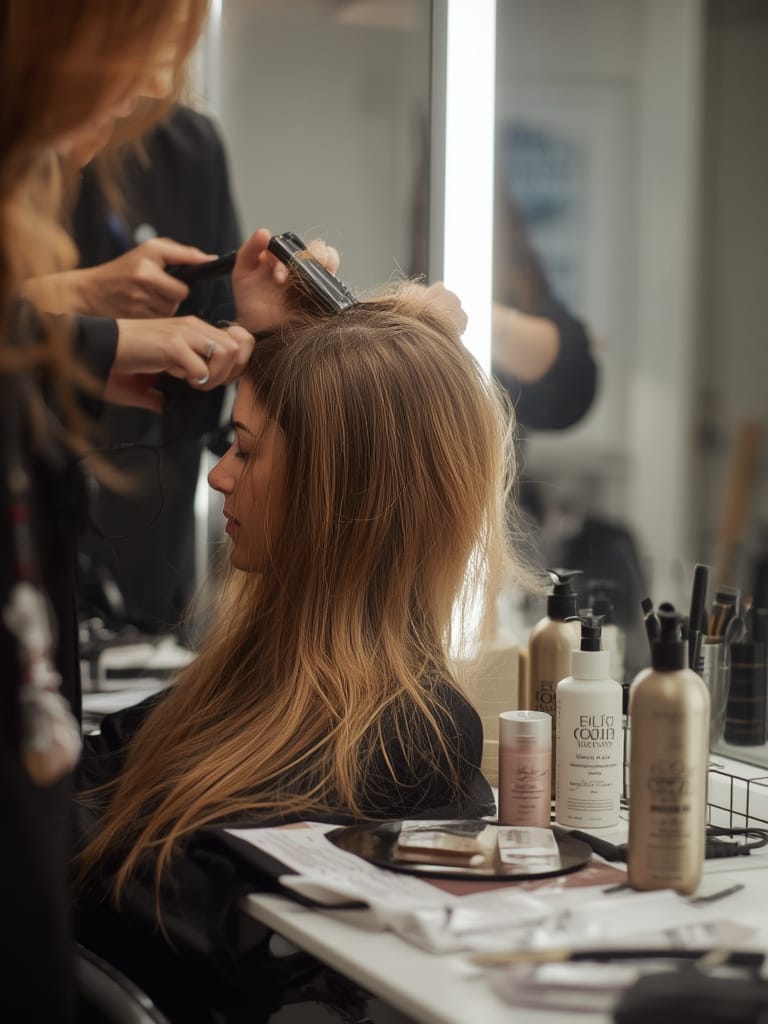
Prepare your hair – Apply a small amount of protective serum or oil to ends before securing. This creates a protective barrier between your strands and the elastic.
Pro tip: Focus product on the area where the elastic will sit for maximum protection.Choose the right tension – Secure your hair firmly enough to hold your style, but never so tight that you feel scalp tension. If you can feel pulling, it’s too tight.
Pro tip: For overnight styles, use looser holds to prevent traction alopecia around the hairline.Position strategically – Avoid securing in the same spot repeatedly. Alternate between high, mid, and low positions to distribute stress.
Pro tip: For workouts, try a loose braid secured with a gentle elastic instead of a tight ponytail.Remove properly – Unwind rather than pull elastic bands. For spiral options, gently twist while removing to prevent tangles.
Pro tip: Never cut elastics out—this creates uneven ends that are prone to splitting.
Key Benefits or Results
Using protective hair elastics transforms your hair health in multiple ways:
- Reduced breakage – Studies show that switching to gentler elastics can reduce mechanical damage by up to 37% within just one month.
- Preserved length – By eliminating constant breakage at tie points, you’ll retain approximately 1/2 inch more growth every six months.
- Minimized tension headaches – Proper elastic use reduces scalp tension that contributes to tension headaches.
- Healthier hair appearance – Less breakage means fewer flyaways and split ends, resulting in smoother, more polished styles.
- Improved elasticity – Hair that’s not constantly stressed by harsh elastics maintains better natural bounce and resilience.
Professional Tips & Alternatives
For fine hair, look for extra-wide silk scrunchies that distribute tension across more surface area.
Those with curly or textured hair should consider pineappling with a silk scrunchie at night—loosely gathering curls at the crown without disturbing curl pattern.
For color-treated hair, silicone-free elastics prevent color transfer and staining on blonde or pastel shades.
Seasonal adjustment: In humid summer months, use slightly firmer holds like ribbon elastics; in dry winter conditions, switch to pure silk options to combat static.
Common Mistakes to Avoid
- Using elastics with metal crimps – These catch and tear hair. Replace with seamless versions immediately.
- Securing wet hair tightly – Hair is 50% weaker when wet. Allow to dry at least 70% before securing, or use extra-gentle scrunchies.
- Sleeping in tight ponytails – This creates constant tension stress. Switch to loose braids or silk scrunchies.
- Ignoring elastics until they’re stretched out – Replace your hair ties every 3-4 months to maintain proper tension.
- Using rubber bands as emergency hair ties – Even once can cause significant damage. Keep proper elastics in multiple locations.
Maintenance & Aftercare
Extend the life of premium hair elastics by washing them weekly. Silk and satin options can be hand-washed with gentle shampoo and air-dried flat.
Store elastics in a dedicated container rather than around wrists, which stretches them prematurely and exposes them to oils and products that degrade materials.
Rotate between at least 5-7 different elastics to allow each to regain its natural tension between uses.
After removing elastics, use a wide-tooth comb to gently detangle the secured area and redistribute natural oils that may have been disrupted.
Conclusion
Investing in high-quality, damage-minimizing hair elastics is one of the simplest yet most impactful upgrades you can make to your hair routine. By selecting the right materials, using proper technique, and being mindful of placement, you’ll preserve your hair’s strength, length, and natural beauty. Remember that hair health is cumulative—making this one small change consistently will reveal noticeably healthier locks within weeks. Your future self (and your future hair) will thank you.
FAQs
- How often should I replace my hair elastics?
Replace elastics every 3-4 months with regular use, sooner if they lose tension or show signs of wear. Quality elastics may last longer but should still be rotated frequently. - Can hair elastics cause hair loss?
Consistently tight elastics can cause traction alopecia, especially around the hairline. Choose gentle options and vary placement to minimize risk. - Are silk scrunchies worth the higher price?
Yes—silk creates 43% less friction than standard elastics, significantly reducing damage over time, making them a worthwhile investment for daily use. - What’s the best hair elastic for workout sessions?
Spiral elastics provide secure hold during intense movement while minimizing damage and creasing. Look for sweat-resistant options specifically designed for athletics. - Can I wash and reuse high-quality hair elastics?
Absolutely! Hand wash silk and satin options with mild shampoo, rinse thoroughly, and air dry flat to extend their lifespan and maintain hygiene.