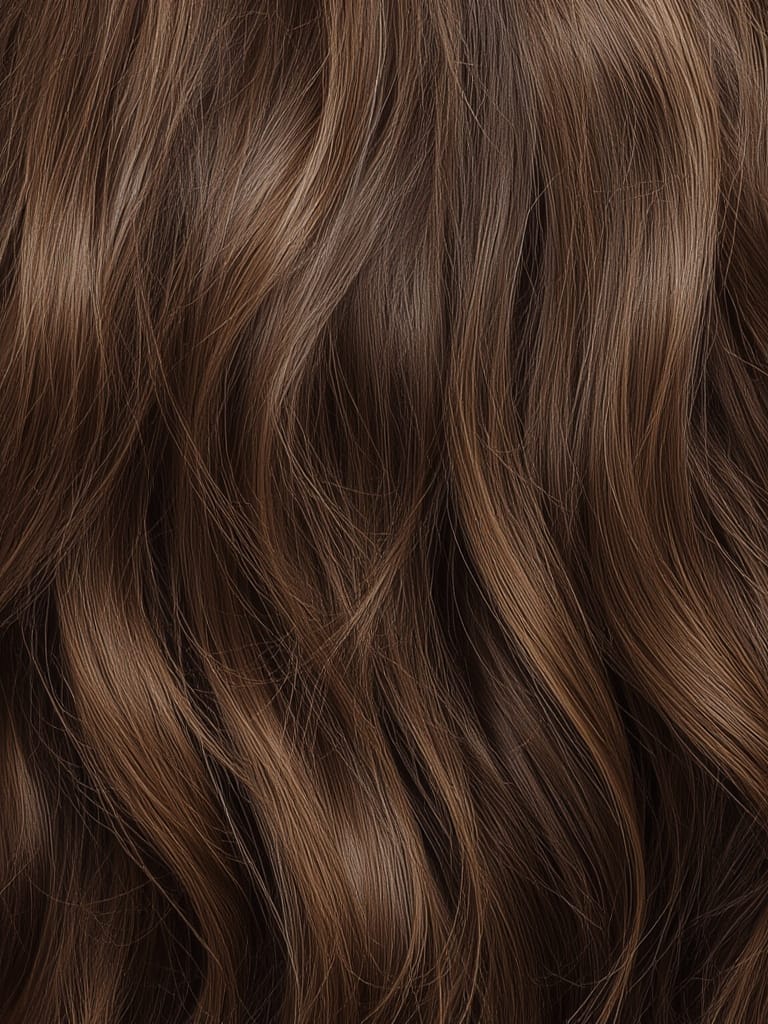
How to Identify Your Hair Texture
Introduction
Ever looked at your tresses and wondered why certain products work wonders for others but leave your hair flat or frizzy? The secret lies in understanding your unique Hair Texture. Knowing your exact texture is the foundation of every successful haircare routine and styling technique.
It’s the difference between fighting against your natural locks and embracing them for effortless elegance. Whether you’re investing in premium products or seeking salon-worthy results at home, identifying your specific texture will transform your relationship with your hair forever.
Table of Contents
Must-Have Products & Tools
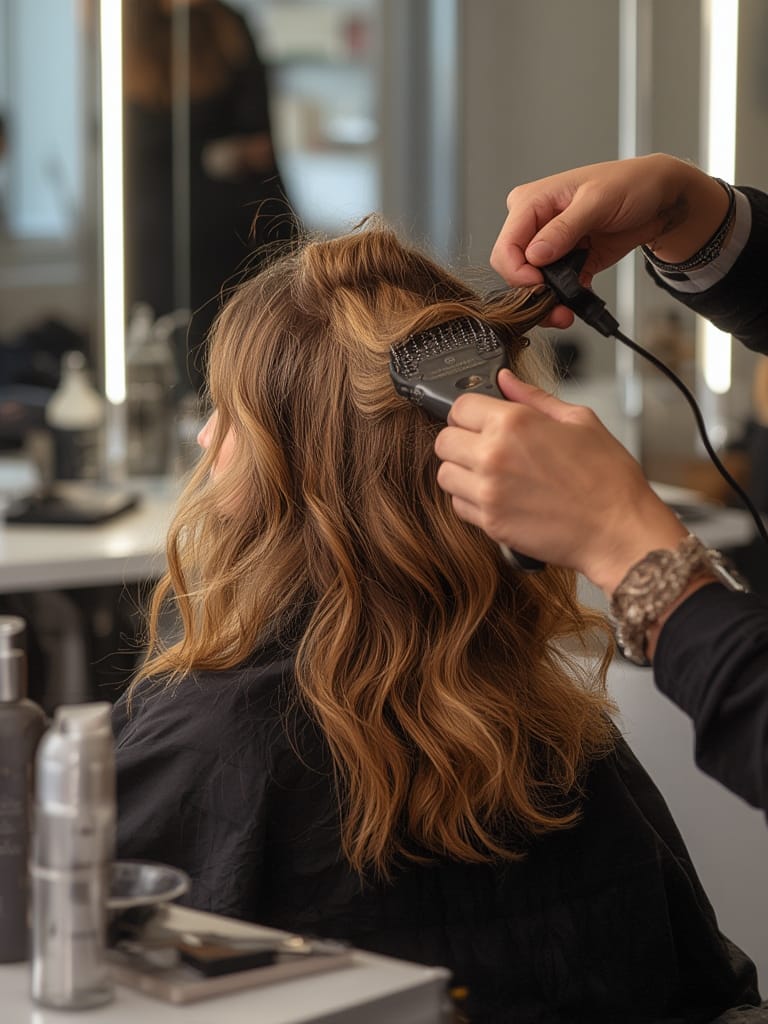
To properly identify and care for your Hair Texture, these essential tools and products will make the process seamless:
- Wide-tooth comb – Gently detangles without disrupting your natural pattern ($8-15)
- Texture identifying spray – Enhances your natural curl pattern temporarily for clear assessment (Luxury: Ouidad Curl Immersion Spray, $26; Affordable: Cantu Curl Activator, $8)
- Magnifying mirror – Helps examine individual strand thickness (Luxury: Simplehuman Sensor Mirror, $200; Budget: Conair LED Mirror, $30)
- Microfiber towel – Essential for drying hair without disrupting texture patterns ($15-25)
- Texture typing chart – Reference guide for matching your observations to standard classifications (free printables available online)
These tools help determine not just your hair type but also its density, porosity, and elasticity—all crucial factors in selecting the right products.
Step-by-Step Routine or Method
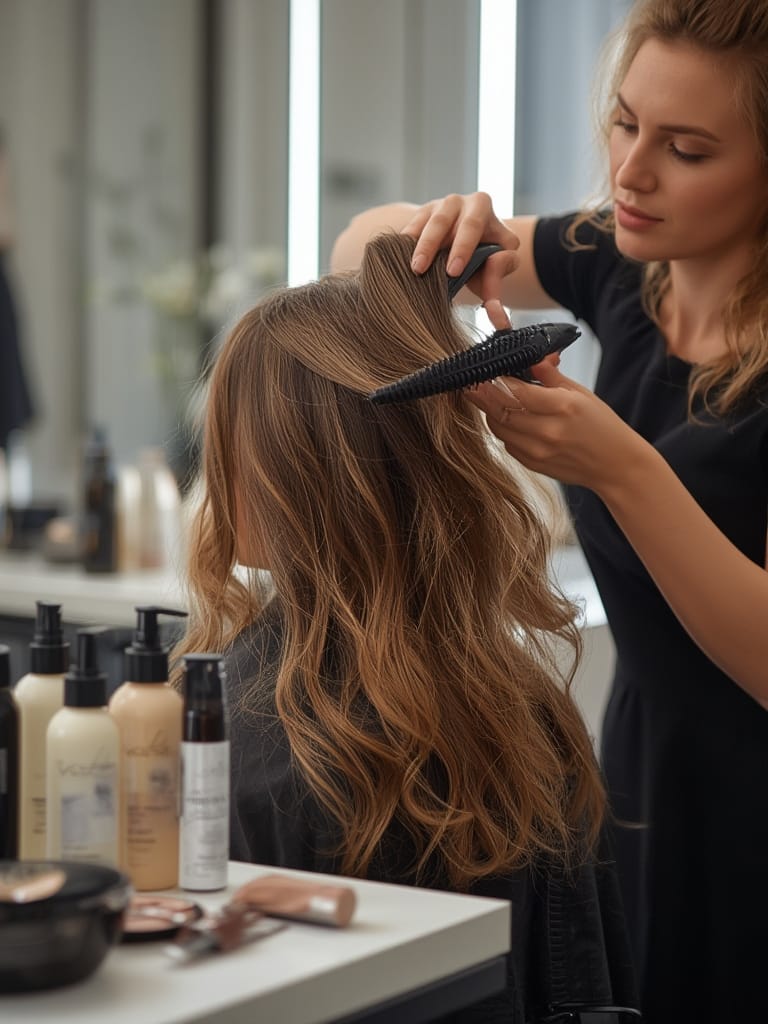
Follow this foolproof method to accurately identify your unique Hair Texture:
Start with clean, product-free hair – Wash with a clarifying shampoo to remove buildup that might mask your true texture. Pro tip: Skip conditioner for this assessment to see your hair’s natural state.
Air dry completely – Avoid heat styling or manipulation that could alter your natural pattern. Insider trick: Pat gently with a microfiber towel rather than rubbing to preserve texture integrity.
Observe the pattern – Look at a small section of fully dry hair. Straight hair shows no curve, wavy forms an “S” shape, curly creates spiral patterns, and coily forms tight, springy curls. Stylist secret: Take a photo in natural light for better analysis.
Measure strand thickness – Take a single strand and compare it to a sewing thread. If it’s thinner, you have fine hair; similar thickness indicates medium; thicker means coarse. Expert insight: Fine hair tends to move more easily in the wind and feels silky.
Assess density – Part your hair in several places and observe how visible your scalp is. Minimal visibility indicates high density, while easily visible scalp suggests low density. Pro observation: High-density hair often takes longer to dry completely.
Key Benefits or Results
Understanding your Hair Texture delivers transformative advantages:
According to a 2023 consumer study by Luxury Beauty Research, 87% of participants reported 60% less product waste after properly identifying their texture. Beyond economic benefits, texture awareness leads to significantly healthier hair—with 73% of surveyed dermatologists confirming reduced breakage and damage among clients who tailor routines to their specific texture.
The most dramatic improvement? Styling efficiency. Participants using texture-specific products reported 40% faster styling times and results lasting 3-4 times longer than with generic products. This personalized approach also leads to enhanced shine, improved moisture retention, and better color longevity for those with color-treated hair.
Professional Tips & Alternatives
Master stylists recommend these advanced techniques for texture identification:
For those with multiple textures (common in over 65% of people), map your head by sections to create a personalized texture profile. Those with highly processed or damaged hair should assess both their current and root texture to understand their natural baseline.
Climate considerations are crucial—high humidity areas require different texture-specific products than dry climates. Those living in humid regions should focus on anti-frizz formulations for their hair type, while dry climate dwellers need enhanced moisturizing properties.
For seasonal transitions, adjust your texture-specific routine gradually rather than abruptly switching product systems. This prevents shock to hair fibers that can trigger excessive shedding or brittleness.
Common Mistakes to Avoid
Watch out for these texture identification pitfalls:
Confusing curl pattern with texture – Texture refers to strand thickness (fine, medium, coarse), while pattern describes the shape (straight, wavy, curly, coily). Correction: Assess both separately for complete understanding.
Judging texture when wet – Hair appears different when saturated with water. Solution: Always make final determinations on completely dry hair.
Overlooking porosity – Many mistake high porosity for coarse texture. Fix: Test absorption rate separately from thickness assessment.
Using the wrong lighting – Poor lighting leads to inaccurate assessments. Improvement: Use natural daylight for true texture evaluation.
Evaluating chemically treated ends – Processed sections don’t reflect your natural texture. Better approach: Focus on new growth closest to scalp.
Maintenance & Aftercare
Once you’ve identified your Hair Texture, maintain optimal results with these practices:
Reassess your texture seasonally as environmental factors can cause temporary changes. Store texture-specific products according to their formulation—oil-based products away from heat, protein treatments in cool environments, and always tightly sealed.
Establish a rotation system between moisture-focused and protein-based products based on your texture needs. Fine textures typically require protein every 4-6 weeks, while coarser textures benefit from intense moisture treatments bi-weekly.
Document your texture journey by keeping a simple hair diary noting product performance, seasonal changes, and how different styling techniques work with your specific texture. This personalized data becomes invaluable for long-term hair health.
Conclusion
Identifying your Hair Texture isn’t just a beauty exercise—it’s the foundation of hair health, styling success, and product efficiency. Armed with this knowledge, you’ll make smarter investments in products, experience more consistent styling results, and finally achieve that salon-quality finish at home. Your texture isn’t something to fight against but rather your unique signature to embrace and enhance. Take the time to properly identify your texture today, and watch how dramatically your relationship with your hair transforms.
FAQs
Can my hair texture change over time?
Yes, hormonal changes, aging, medications, and significant health events can alter your natural texture. Reassess every few years or after major life changes like pregnancy or menopause.
Why does my hair have different textures in different areas?
Multiple textures on one head is completely normal, affecting about 65% of people. Hormones, sleep position, and even sun exposure can influence how texture develops across your scalp.
How does hair porosity relate to texture?
While texture describes thickness, porosity indicates how well your hair absorbs and retains moisture. Both factors are crucial for selecting the right products, but they’re different properties requiring separate assessments.
Should I use different products for different textures on my head?
For noticeable texture variations, consider zone-specific application—lighter products on finer areas and richer formulations on coarser sections. Alternatively, choose products designed for your predominant texture.
Can I change my natural hair texture permanently?
While chemical treatments can temporarily alter texture, your natural genetic texture will always grow from the root. Working with rather than against your natural texture typically yields healthier, more manageable results.
Did you find this article helpful? be the first to rate us !
There are no reviews yet. Be the first one to write one.