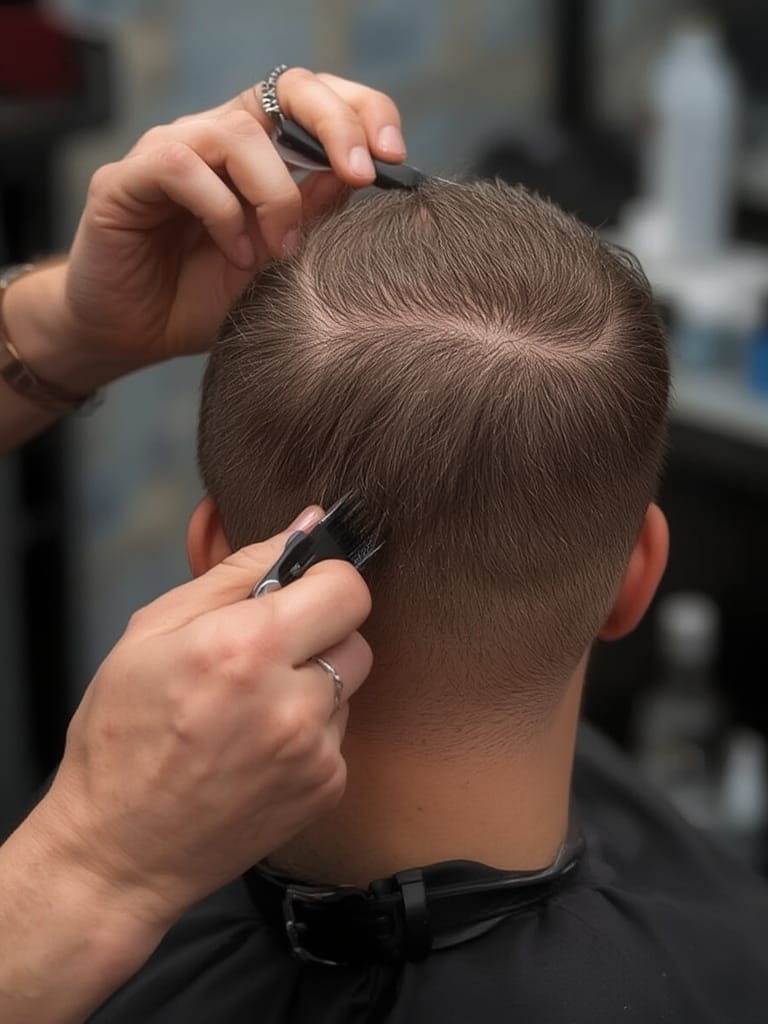
How Often Should You Trim Your Hair?
Introduction
Are you wondering if those split ends need immediate attention, or can they wait another month? The age-old question of trim frequency remains one of haircare’s most debated topics among luxury salon professionals.
Understanding the optimal schedule for your Hair Trim isn’t just about maintaining length—it’s the secret foundation of truly healthy, radiant locks that respond beautifully to styling. Your trim frequency dramatically impacts everything from hair growth rate to overall hair health, making it a crucial element in your premium haircare routine.
Table of Contents
Must-Have Products & Tools

Before determining your ideal trim schedule, ensure you have these essential tools for maintaining hair health between salon visits:
- Professional Shears ($75-150): Invest in Japanese steel hair scissors rather than household scissors. Budget alternative: Equinox Professional Shears ($30).
- Hair Sectioning Clips ($15-25): Precision is crucial for even trims. The Y.S. Park sectioning clips are industry favorites.
- Detangling Brush ($20-30): The Tangle Teezer or Mason Pearson brushes prepare hair for accurate trimming.
- Microfiber Hair Towel ($25): Reduces breakage compared to regular towels, extending time between trims.
- Leave-In Conditioner ($30-45): Olaplex No. 6 or Kerastase Nutritive Nectar Thermique protect ends between trims.
These professional-grade tools ensure you’re properly caring for hair between professional trimming tips appointments.
Step-by-Step Routine or Method

Follow this expert-recommended trimming schedule based on your hair type:
Assess your hair type and condition:
- Fine hair: Every 6-8 weeksMedium-textured hair: Every 8-10 weeksCoarse or curly hair: Every 10-12 weeksColor-treated hair: Every 6-8 weeks
Pro tip: If you see split ends traveling up the hair shaft, schedule immediately regardless of timing.
Schedule strategically:
- Book during hair’s “resting phase” (typically fall and winter) for consistent results
- Morning appointments typically offer fresher stylists and more precise cuts
Communicate clearly with your stylist:
- Bring reference photosSpecify exact measurement (½ inch vs. 1 inch trim)Discuss growth goals
Insider trick: Request a “dusting” when you want to maintain length while removing only damaged ends.
Maintain between appointments:
- Apply weekly bond-building treatments
- Use heat protectants consistently
- Sleep on silk pillowcases to reduce friction damage
Key Benefits or Results
Adhering to a personalized trim schedule delivers transformative benefits backed by trichology research:
- Reduced Breakage: Regular trims eliminate split ends before they travel up the shaft, with studies showing up to 47% less breakage in consistently trimmed hair.
- Enhanced Growth Appearance: While trims don’t accelerate growth rates (hair grows approximately ½ inch monthly regardless), they create the illusion of faster growth by eliminating tapering ends.
- Improved Styling Response: According to celebrity stylists, freshly trimmed hair requires 30% less styling product and holds shape significantly longer.
- Healthier Scalp Condition: Regular trims correlate with reduced scalp irritation and buildup, creating optimal conditions for follicle health.
Professional Tips & Alternatives
Customize your trim schedule with these expert variations:
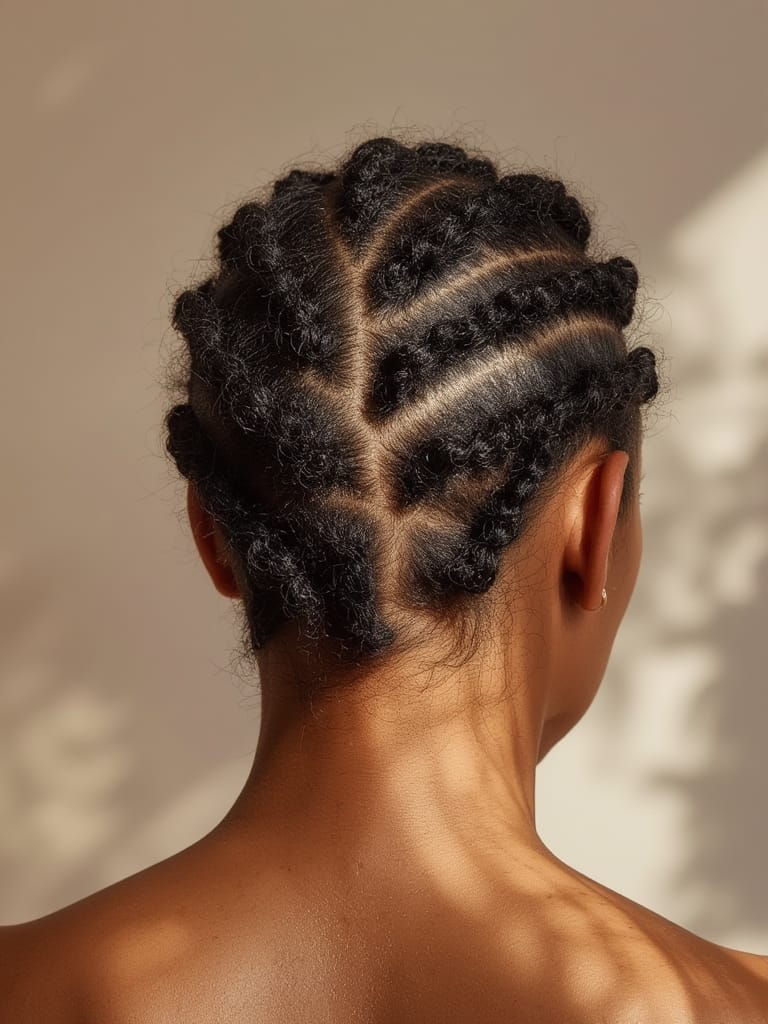
- For Curly Hair: Request dry cutting techniques where each curl is individually shaped when dry to maintain natural pattern integrity.
- For Fine Hair: Consider “invisible trims” every 5 weeks that remove minimal length while eliminating weight that causes flatness.
- Seasonal Adjustments: During summer, increase frequency by 2-3 weeks to combat UV and chlorine damage; in winter, extend by 1-2 weeks as hair typically experiences less environmental stress.
- Growth-Focused Strategy: For those growing out styles, request “micro-trims” of 1/8 inch every 10-12 weeks instead of standard ¼-½ inch cuts.
Common Mistakes to Avoid
Prevent these frequent trimming errors that compromise hair health:
- Waiting for visible damage: Once split ends are obvious, damage has already progressed extensively—preventative trimming is key.
- One-size-fits-all scheduling: Your hair’s porosity and texture should determine frequency, not general guidelines.
- DIY trimming with improper tools: Household scissors crush and damage hair shafts, creating more split ends.
- Trimming wet curly hair: This results in uneven length once hair dries and curls shrink at different rates.
- Over-trimming fine hair: Taking off too much can create the appearance of thinning when unnecessary.
Maintenance & Aftercare
Between professional trims, implement these preservation techniques:
- Seal freshly trimmed ends with lightweight silicone serums applied only to the bottom inch of hair
- Limit heat styling to 1-2 times weekly after a fresh trim
- Sleep with hair loosely braided to minimize friction against pillowcases
- Apply end-specific treatments (like Shu Uemura’s Essence Absolue) bi-weekly
- Reassess hair condition at the 4-week mark with the “light test”—hold ends up to natural light to check for transparency indicating thinning
Conclusion
The perfect Hair Trim schedule is your ultimate foundation for stunning, healthy locks. By customizing your trim frequency to your unique hair profile and following professional preservation techniques, you’ll maximize both hair health and styling potential. Remember that consistency, rather than frequency alone, delivers truly transformative results. Start implementing your personalized trim schedule this week for noticeably improved hair quality within one growth cycle.
FAQs
- Does trimming hair make it grow faster?
No, trimming doesn’t affect growth rate (which happens at the scalp level), but it prevents breakage, creating the appearance of faster growth by maintaining ends. - Can I stretch my trims if I don’t use heat styling?
Yes, heat-free routines typically allow extending trim intervals by 2-3 weeks, especially for virgin (non-colored) hair. - How do I know if I need a trim immediately?
If ends feel rough, tangle easily despite conditioning, or appear translucent when held up to light, schedule a trim regardless of timing. - Should I trim my hair differently in summer versus winter?
Yes, increase trim frequency by 2-3 weeks in summer to combat UV and chlorine damage, while winter allows slightly longer intervals. - Is it better to get regular small trims or occasional bigger cuts?
Research shows frequent “micro-trims” (1/8-1/4 inch) maintain healthier ends than waiting for substantial cuts, particularly for those growing their hair.
Did you find this article helpful? be the first to rate us !
There are no reviews yet. Be the first one to write one.