
Hair Mask That Repair Damage & Boost Shine
Introduction
Is your hair crying out for intensive care after heat styling, coloring, or environmental stress? You’re not alone. Even the most pampered locks eventually need rescue, which is where the transformative power of a hair mask for damaged hair comes in.
Unlike regular conditioners, these concentrated treatments work at the cellular level to restore hair’s natural resilience and radiance. In today’s guide, we’ll explore luxury hair masks that deliver salon-worthy results from the comfort of your home—because damaged hair deserves more than just a quick fix.
Table of Contents
Must-Have Products & Tools
Essential Repair Masks
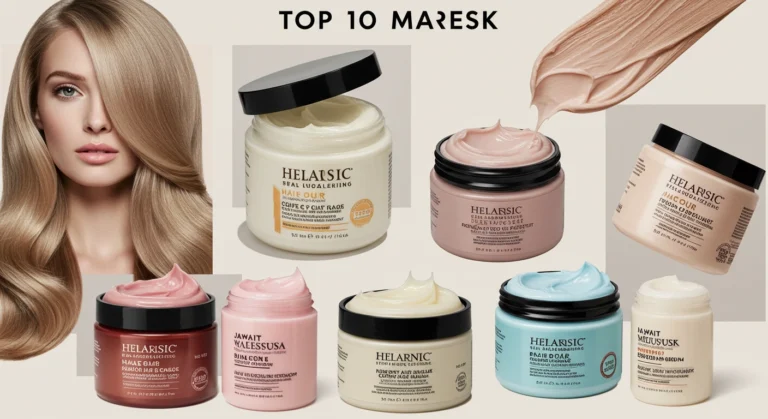
Olaplex No. 8 Bond Intense Moisture Mask – Revolutionary bond-building technology that repairs broken hair bonds at the molecular level. Perfect for chemically processed or heat-damaged hair.
Kérastase Nutritive Masquintense – A protein-rich formula that replenishes severely dry hair with essential nutrients and improves elasticity.
Briogeo Don’t Despair, Repair! – This clean beauty option delivers a potent blend of B-vitamins, rosehip and argan oils, and algae extract for comprehensive repair.
Luxury Alternatives
Leonor Greyl Masque Quintessence – At $145, this ultra-premium mask uses rare cupuaçu butter and botanical extracts to transform extremely damaged hair.
Sisley Hair Rituel Regenerating Hair Mask – The haute couture of hair treatments, delivering concentrated botanical extracts that restore vitality from root to tip.
Budget-Friendly Options
Garnier Whole Blends Honey Treasures Repairing Mask – Contains royal jelly, honey, and propolis for effective repair at under $15.
The Ordinary Multi-Peptide Serum – A surprising alternative to traditional masks that delivers concentrated peptides for under $20.
Step-by-Step Routine or Method
Pre-Mask Preparation
Clarify First – Use a gentle clarifying shampoo to remove product buildup that could prevent mask penetration.
Pro Tip: Apply shampoo only to your scalp and let the suds cleanse your ends to prevent further drying.Towel-Dry Properly – Gently squeeze excess water with a microfiber towel—never rub, as wet hair is vulnerable to breakage.
Mask Application
Section Hair – Divide hair into 4-6 sections for even application, using salon clips to separate.
Pro Tip: For extreme damage, apply to dry hair first for 10 minutes before wetting and continuing treatment.Apply Strategically – Focus the mask on mid-lengths to ends, using a wide-tooth comb to ensure even distribution.
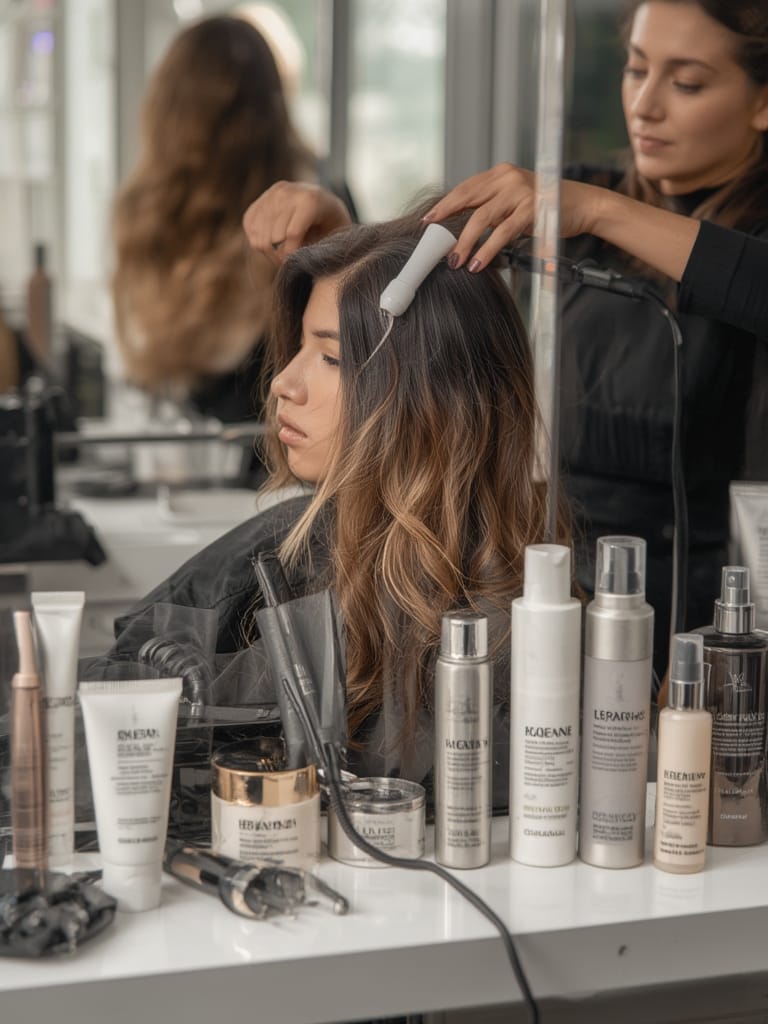
Pro Tip: Mix in 2-3 drops of your favorite hair oil to boost the mask’s reparative properties.Heat Activation – Cover with a shower cap and apply gentle heat with a warm towel or bonnet dryer to enhance penetration.
Pro Tip: Many luxury salons use repair mask, deep conditioning treatments with infrared heat—mimic this by warming a towel in the dryer.Timing Matters – Leave on for 15-30 minutes, depending on damage level (never overnight as over-conditioning can cause protein overload).
Proper Rinsing – Rinse with cool water to seal the cuticle and maximize shine.
Key Benefits or Results
Consistent use of high-quality hair masks delivers transformative results beyond surface-level shine:
Cuticle Repair – Research shows that specialized masks can reduce cuticle lifting by up to 67%, minimizing breakage and split ends.
Moisture Retention – Clinical studies demonstrate that quality masks can improve moisture retention by 70% after just three applications.
Color Protection – Color-treated hair experiences 35% less fade when maintained with weekly masking, according to salon industry data.
Heat Protection Priming – Hair treated with protein-based masks shows 40% improved resistance to heat styling damage.
Professional Tips & Alternatives
For Different Hair Types
Fine Hair – Use lightweight masks labeled “weightless” or “volumizing” and focus application from mid-shaft to ends only.
Curly Hair – Seek masks with humectants like honey and glycerin that enhance curl definition while repairing.
Coily/4C Hair – Apply masks to dampened hair in sections, using higher quantities and longer processing times to fully penetrate dense strands.
Seasonal Adjustments
Winter Care – Rotate between protein and moisture masks weekly as indoor heating causes significant dehydration.
Summer Protection – Look for UV filters in your mask formulations and increase frequency to combat chlorine and salt water damage.
Common Mistakes to Avoid
Overusing Protein Treatments – Using protein-heavy masks too frequently leads to stiff, brittle hair. Alternate with moisturizing formulas.
Applying to Scalp – Unless specifically directed, masks should stay away from your scalp to prevent clogged follicles and buildup.
Skipping Heat Activation – Room temperature application reduces efficacy by up to 50%. Always use gentle heat for maximum penetration.
Inconsistency – The biggest mistake is treating masks as occasional emergency fixes rather than maintenance. Consistency brings cumulative benefits.
Maintenance & Aftercare
Optimal Frequency – For severely damaged hair, use intensive masks weekly, then transition to bi-weekly once hair improves.
Product Rotation – Alternate between protein-based and moisture-based masks to maintain optimal hair porosity and strength.
Heat Protection – Always follow mask treatments with heat protectant if styling with hot tools to preserve your results.
Silk Pillowcase – Preserve your mask’s benefits by sleeping on silk, which reduces friction and moisture loss overnight.
Conclusion
The right hair mask isn’t just a product—it’s a ritual that transforms damaged, lackluster hair into a crown of strength and brilliance. By understanding your hair’s specific needs and following our professional application techniques, you’ll maximize every minute and dollar invested in your hair’s health. Remember that consistency trumps intensity—regular treatments will always outperform occasional panic applications. Your journey to restored, resilient hair begins with today’s mask application.
FAQs
- How long should I leave a hair mask on extremely damaged hair?
For severe damage, 20-30 minutes is optimal. Leaving masks on longer rarely increases benefits and may cause over-conditioning. - Can I use a hair mask instead of regular conditioner?
Yes, but it’s unnecessary. Use masks 1-2 times weekly and lightweight conditioners for daily maintenance for optimal hair balance. - Are DIY masks as effective as premium store-bought options?
DIY masks can provide temporary moisture but lack the bond-rebuilding technology and penetrative ingredients found in professional-grade formulations. - Should I apply masks to wet or dry hair?
Most masks perform best on towel-dried hair (70% dry), allowing better absorption without dilution. For extremely porous hair, try occasional dry application first. - How soon will I see results from using hair masks?
Immediate improvement in shine and manageability occurs after one use, while structural repair typically requires 3-4 weekly applications to show significant results.