
Hair Care Habits That Damage Your Hair
Introduction
Are you unknowingly sabotaging your hair’s health with daily habits that cause damage? Even with premium products in your arsenal, certain practices can undermine your hair’s natural beauty and strength. Understanding proper Hair Care is essential for maintaining luxurious locks that not only look stunning but remain healthy from root to tip.
Many of us engage in damaging hair habits without realizing the long-term consequences – from heat styling without protection to brushing wet hair incorrectly. Let’s explore these common mistakes and how to correct them for truly magnificent hair.
Table of Contents
Must-Have Products & Tools
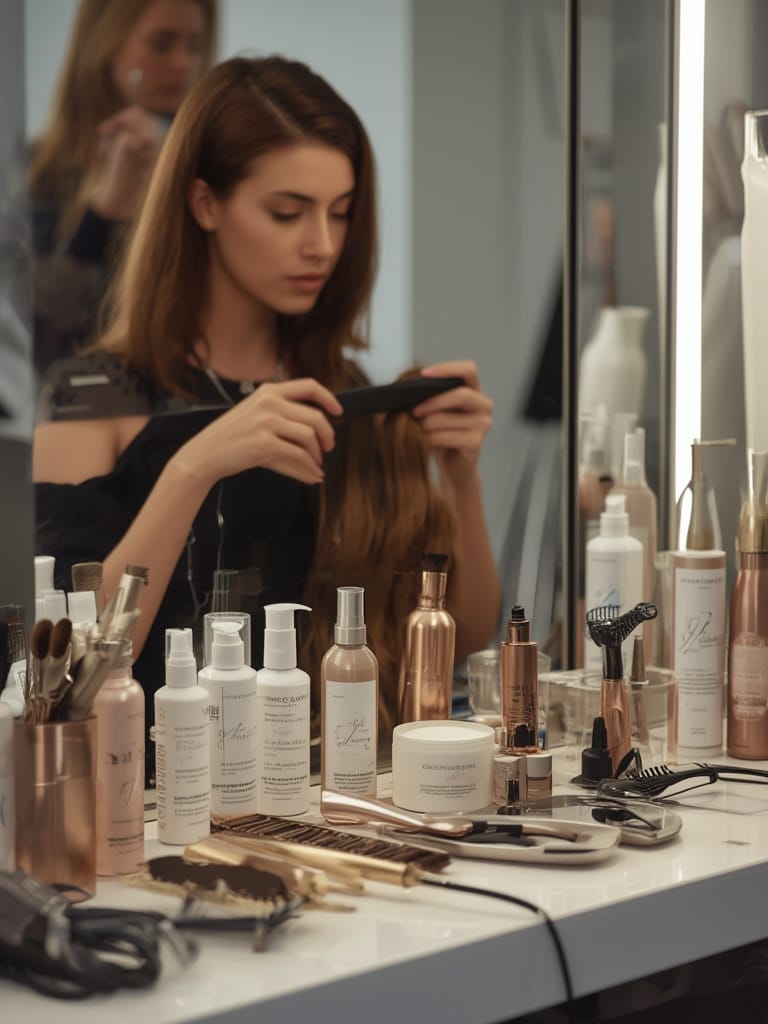
To protect your hair from damage, invest in these essential protective products:
- Heat Protectant Spray – Always apply before using hot tools; Kerastase Chronologiste Thermique Regenerant ($45) provides exceptional protection or try HSI Professional Argan Oil Heat Protector ($15) as a budget alternative
- Microfiber Hair Towel – Reduces friction and breakage; Aquis Lisse Luxe Hair Turban ($30) or DevaCurl DevaTowel Anti-Frizz Microfiber Towel ($20)
- Silk or Satin Pillowcase – Minimizes nighttime friction; Slip Pure Silk Pillowcase ($89) or ZIMASILK Mulberry Silk Pillowcase ($26)
- Wide-Tooth Comb – For gentle detangling; Mason Pearson Rake Comb ($30) or Conair Detangling Comb ($8)
- Bond-Building Hair Treatment – Repairs internal damage; Olaplex No.3 Hair Perfector ($28) or The Ordinary Multi-Peptide Serum ($18)
These products form the foundation of hair protection, preventing damage before it occurs while supporting repair and restoration.
Step-by-Step Routine or Method
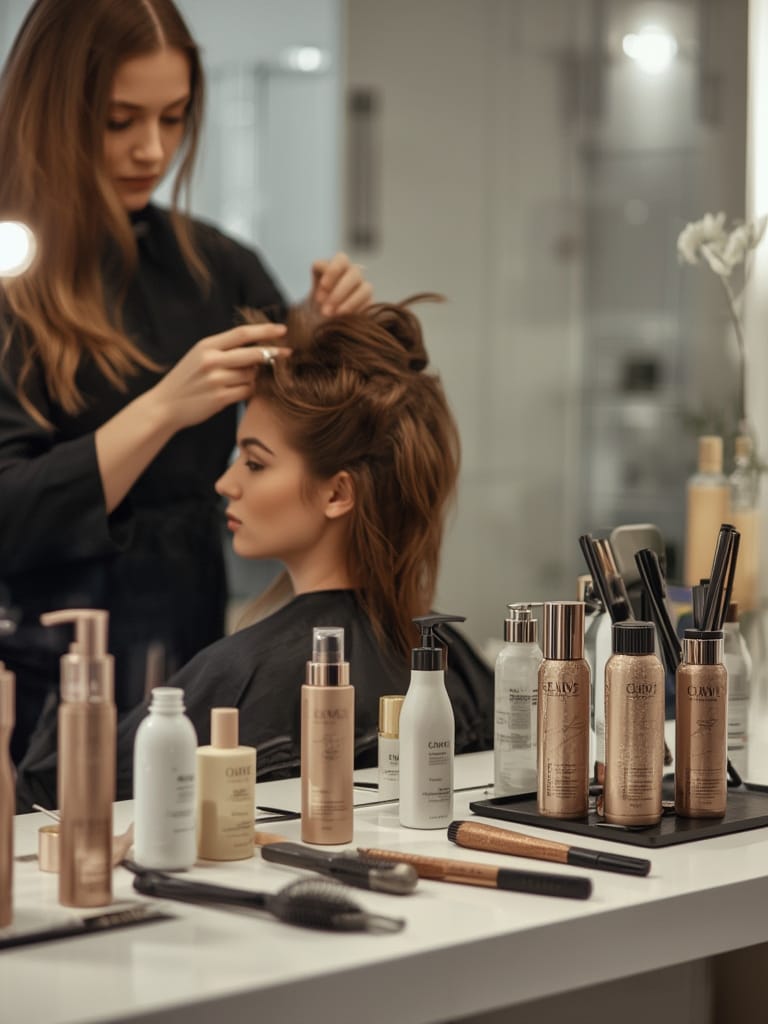
Follow this protective hair routine to break damaging habits and promote healthier hair:
Washing Technique – Use lukewarm (never hot) water to preserve natural oils. Apply shampoo primarily to the scalp using gentle massage motions rather than harsh scrubbing. Pro tip: Focus conditioner from mid-lengths to ends, avoiding the scalp to prevent buildup.
Post-Shower Care – Gently squeeze excess water with hands before wrapping in a microfiber towel. Allow hair to remain wrapped for 10-15 minutes to absorb moisture without rubbing. Pro tip: Never rub hair with a regular towel—this causes cuticle damage and frizz.
Detangling Strategy – Apply a leave-in conditioner, then use a wide-tooth comb starting from the ends and working upward. Pro tip: Divide hair into sections for easier detangling with minimal breakage.
Heat Styling Protection – Apply heat protectant spray evenly throughout hair, then allow to dry for 60 seconds before using any hot tools. Pro tip: Keep hot tools moving constantly to avoid concentrated heat in one area.
Nighttime Protection – Loosely braid or twist hair before sleeping on a silk pillowcase to minimize friction damage. Pro tip: Rotate between different sleep styles to avoid consistent pressure points.
Key Benefits or Results
Breaking damaging hair habits delivers transformative results, including:
- 50% Reduction in Breakage – According to dermatologists at the American Academy of Dermatology, proper detangling techniques alone can reduce hair breakage by half
- Extended Color Vibrancy – Proper washing techniques and temperature control can extend color longevity by up to 4 weeks
- Improved Elasticity – Hair treated with bond-building treatments shows 67% improved elasticity in clinical studies
- Enhanced Natural Shine – Reducing heat styling frequency allows cuticles to lie flat, increasing light reflection and natural shine
- Faster Length Retention – Minimizing breakage can help you retain up to an extra inch of growth annually
These improvements are documented through both scientific research and feedback from professional stylists working with diverse hair types.
Professional Tips & Alternatives
- For Curly Hair – Embrace “pineappling” (loose high ponytail) with a silk scrunchie instead of traditional hair ties to preserve curl patterns overnight
- For Fine Hair – Use lightweight leave-in products and avoid heavy oils that can weigh hair down; try volumizing mousses instead of creams
- For Color-Treated Hair – Implement a weekly bond-building mask and limit washing to 2-3 times weekly to prevent color fade
- Seasonal Adjustments – In winter, incorporate weekly moisturizing treatments; in summer, use UV-protective products to shield from sun damage
- Regional Considerations – In high-humidity areas, use anti-humidity sealants; in dry climates, increase leave-in conditioner usage
Common Mistakes to Avoid
- Brushing Wet Hair Aggressively – Wet hair is 50% weaker; instead, use a wide-tooth comb or wet brush designed specifically for damp hair
- Over-Washing – Daily washing strips natural oils; most hair types benefit from washing every 2-3 days instead
- Tight Hairstyles – Regularly wearing tight ponytails or buns can cause traction alopecia; opt for looser styles and vary positioning
- Excessive Heat Styling – Using hot tools daily without breaks damages cuticles; implement heat-free days and lower temperature settings
- Skipping Trims – Avoiding regular trims (every 8-12 weeks) allows splits to travel up the hair shaft, causing more damage
Maintenance & Aftercare
Maintain your healthier hair routine by:
- Scheduling professional trims every 8-12 weeks to prevent split ends from traveling upward
- Rotating between 2-3 different shampoo and conditioner systems to prevent buildup and product resistance
- Deep conditioning weekly, alternating between protein and moisture treatments based on your hair’s needs
- Cleaning hot tools monthly by wiping with alcohol to remove product residue that can transfer to hair
- Performing a scalp detox treatment monthly to remove buildup and stimulate healthy growth
Conclusion
Breaking damaging hair habits is the foundation of truly luxurious, healthy hair. By implementing these protective techniques and investing in quality products, you’re not just styling your hair—you’re nurturing it for long-term beauty and strength. Remember that consistency is key; these small changes in your daily routine will compound into dramatic improvements over time. Your journey to healthier hair starts with awareness and simple adjustments to habits you may have never questioned before. What damaging habit will you break first?
FAQs
How often should I use heat styling tools to minimize damage?
Limit heat styling to 2-3 times weekly, using the lowest effective temperature setting and always with heat protectant.
Can I repair already damaged hair or should I just cut it off?
Bond-building treatments can repair approximately 80% of internal damage, but severely damaged ends often require trimming for best results.
What’s the best way to detangle very knotty hair without breakage?
Apply a detangling spray, divide hair into sections, and use a wide-tooth comb starting from the ends, working slowly upward with gentle pressure.
Does sleeping with wet hair actually damage it?
Yes—wet hair is more fragile and sleeping with it wet creates friction against pillows, leading to breakage and bedhead. Allow hair to dry at least 70% before sleeping.
How can I tell if my hair needs protein or moisture treatments?
Perform a stretch test: if your hair stretches significantly before breaking, it needs protein; if it breaks with minimal stretch, it needs moisture.
Did you find this article helpful? be the first to rate us !
There are no reviews yet. Be the first one to write one.