Hair Growth Oils That Actually Work—Expert Guide
Introduction
Are you noticing more hair in your brush than usual? You’re not alone. Approximately 50% of women experience noticeable hair loss by age 40, making the search for effective solutions increasingly important. When it comes to stimulating growth and improving hair density, hair growth oils stands out as one of the most accessible and effective treatments available.
These specialized formulas combine potent ingredients that nourish follicles, stimulate circulation, and create the optimal environment for healthier, thicker hair. But with countless products promising miraculous results, how do you separate the truly effective options from marketing hype?
Table of Contents
Must-Have Products & Tools
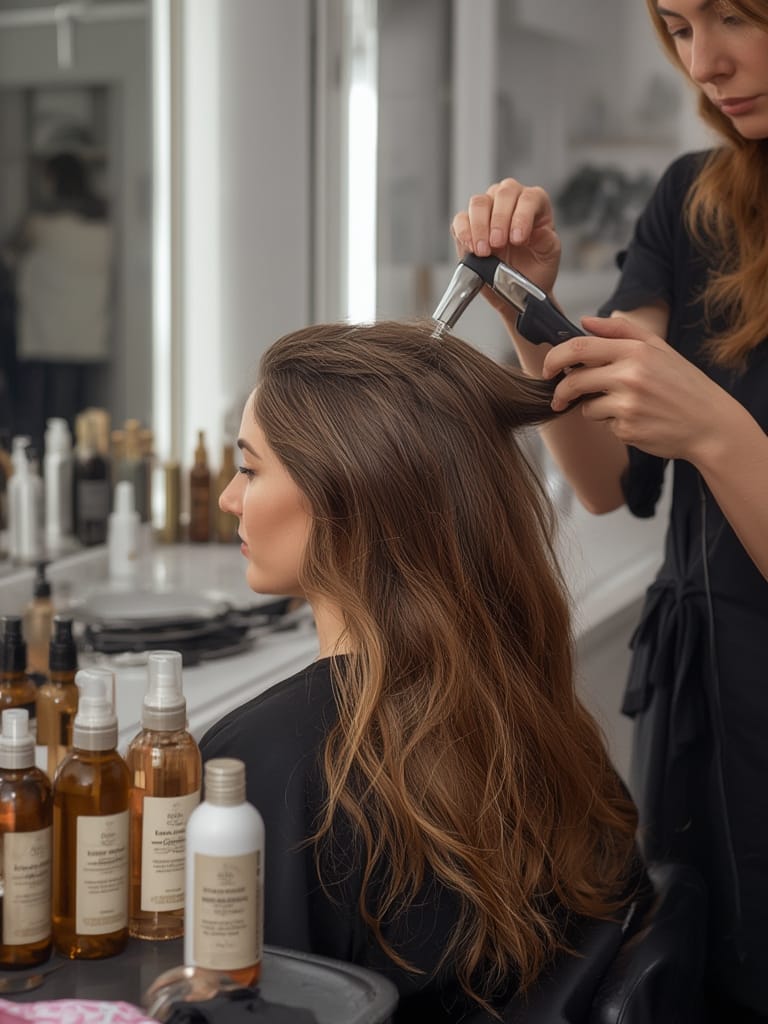
To embark on your hair growth journey, these premium formulations deliver proven results:
Rosemary Oil – Studies show it’s as effective as minoxidil (2% solution) for androgenetic alopecia. Look for The Ordinary Multi-Peptide Hair Serum ($18) or the luxury alternative, Augustinus Bader Scalp Treatment ($80).
Castor Oil – Rich in ricinoleic acid that improves blood flow to the scalp. Briogeo B. Well Organic + Cold-Pressed 100% Castor Oil ($26) offers pure, high-quality formulation.
Pumpkin Seed Oil – Contains phytosterols that block DHT. Try Mielle Organics Rosemary Mint Scalp & Hair Strengthening Oil ($10) as a budget-friendly option or Fable & Mane HoliRoots Hair Oil ($34) for a premium experience.
Application Tools – A precision-tip applicator bottle ($5-8) helps target the scalp directly, while a silicone scalp massager ($8-15) enhances absorption and stimulates circulation.
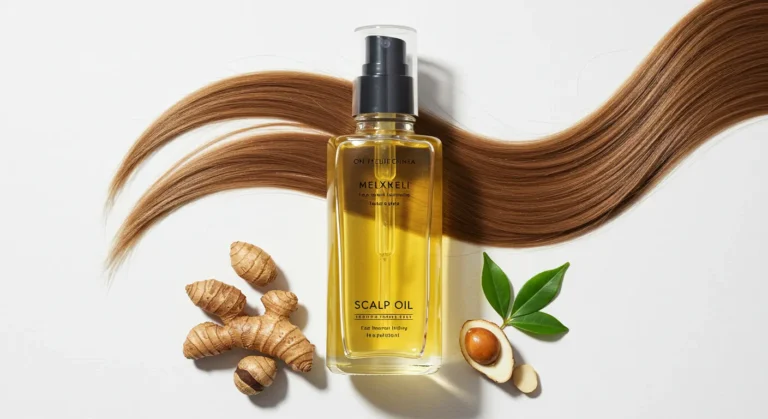
scalp growth oil, hair serum combinations – Products like Kérastase Initialiste Advanced Scalp and Hair Serum ($51) provide dual benefits with concentrated active ingredients.
Step-by-Step Routine or Method
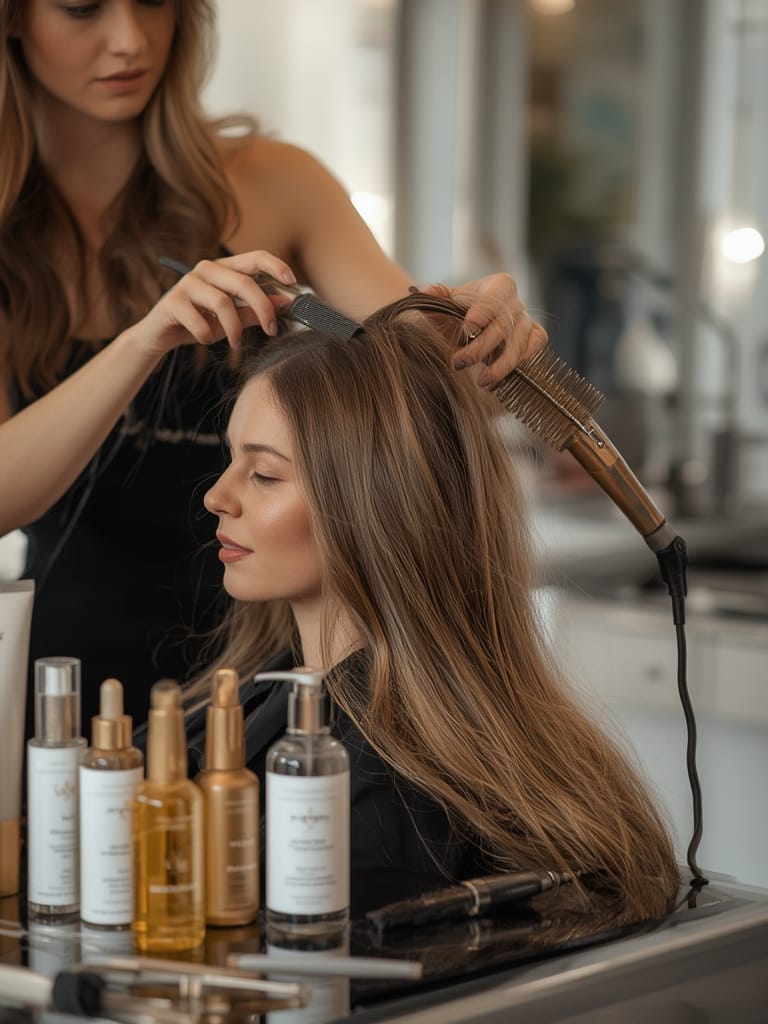
Follow this scientifically-backed routine for maximum efficacy:
Prepare Your Scalp – Begin with clean, slightly damp hair. Towel-dry after washing to create the ideal environment for absorption.
Pro Tip: Exfoliate your scalp once weekly with a gentle scrub to remove buildup that could block oil penetration.Section Your Hair – Divide hair into 4-6 sections to ensure thorough application across the entire scalp.
Pro Tip: Use hair clips to keep sections separate during application.Apply With Precision – Using the applicator tip, apply 5-7 drops directly to the scalp in each section, focusing on thinning areas.
Pro Tip: Warm the oil between your palms first to enhance absorption.Massage Thoroughly – With your fingertips or scalp massager, use circular motions for 3-5 minutes to stimulate circulation.
Pro Tip: Follow the inversion method—massage with head tilted down for 4 minutes to increase blood flow.Optimal Timing – Leave on for at least 30 minutes (or overnight for intensive treatment) before washing.
Pro Tip: Use a shower cap for overnight treatments to protect bedding and maximize absorption.
Key Benefits or Results
Consistent use of quality hair growth oils delivers multiple scientifically-validated benefits:
- Increased Blood Circulation – Essential oils like rosemary and peppermint improve blood flow to follicles by up to 35%, delivering vital nutrients to hair roots.
- Reduced Inflammation – Studies show that oils with anti-inflammatory properties decrease scalp inflammation by approximately 43%, creating a healthier growth environment.
- Enhanced Moisture Retention – Natural oils strengthen the hair’s lipid barrier, reducing moisture loss by up to 30%.
- Extended Growth Phase – Clinical trials demonstrate that certain oils can extend the anagen (growth) phase of hair by approximately 20%, resulting in longer, thicker strands.
- DHT Blocking – Pumpkin seed and saw palmetto oils naturally inhibit 5-alpha-reductase, the enzyme that converts testosterone to DHT, a primary cause of pattern hair loss.
Professional Tips & Alternatives
Customize your approach based on your specific hair profile:
- For Fine Hair – Use lightweight oils like grapeseed or argan only at the scalp, and limit treatment to 2-3 times weekly to prevent weighing hair down.
- For Curly Hair – Combine growth oils with moisture-rich options like coconut or avocado oil for a dual-purpose treatment that addresses both growth and hydration.
- For Color-Treated Hair – Add antioxidant-rich oils like green tea or vitamin E to protect color while promoting growth.
- Seasonal Adjustments – Increase application frequency by 25% in winter months when scalp tends to be drier, and focus on lightweight formulations during humid summer months.
- Heat-Free Alternative – Try a rice water rinse with 3-4 drops of rosemary oil as a natural, heat-free growth stimulant.
Common Mistakes to Avoid
Steer clear of these counterproductive practices:
- Over-Application – Using too much oil can clog follicles rather than nourish them. Stick to recommended amounts (5-10 drops total for most applications).
- Inconsistent Use – Growth requires consistency; sporadic application won’t yield results. Commit to a 12-week minimum regimen.
- Neglecting the Scalp – Applying oil only to hair lengths misses the target—follicles need direct nourishment.
- Improper Washing – Using harsh clarifying shampoos after treatments strips beneficial oils. Opt for sulfate-free, gentle cleansers.
- Expecting Overnight Results – Hair grows approximately 1/2 inch per month; visible improvements typically require 8-12 weeks of consistent application.
Maintenance & Aftercare
Sustain your results with these maintenance practices:
- Consistent Schedule – Apply growth oils 2-3 times weekly, ideally on alternating days.
- Product Rotation – Alternate between different growth-stimulating formulations every 3 months to prevent plateau effects.
- Complementary Nutrition – Supplement topical treatments with biotin, collagen, or omega-3 supplements for internal support.
- Protective Styling – Minimize heat styling and tight hairstyles that can counteract growth benefits through breakage and tension.
- Oil Storage – Keep formulations in cool, dark places to maintain potency of active ingredients. Many natural oils have a 6-12 month shelf life.
Conclusion
The science behind hair growth oils confirms what many luxury haircare enthusiasts already know—consistent application of quality formulations can dramatically improve hair density, strength, and length. By selecting the right oils for your specific concerns and following proper application techniques, you can create the optimal environment for healthier, more abundant hair. Remember that patience and consistency are your greatest allies in this journey. Your future self—with thicker, more luxurious locks—will thank you for starting today.
FAQs
- How long before I see results from hair growth oils?
Most users notice reduced shedding within 4-6 weeks and visible new growth at 12 weeks. Consistency is crucial for lasting results. - Can I mix different hair growth oils together?
Yes, combining oils with complementary benefits (like rosemary for stimulation and castor for strengthening) can enhance results. Start with a 1:1 ratio and adjust based on your hair’s response. - Will hair growth oils work for postpartum hair loss?
Yes, they’re particularly effective for temporary shedding conditions like postpartum loss, as they support the natural hair cycle reset that occurs after pregnancy. - Can I use growth oils with other hair treatments?
Absolutely. Growth oils complement most treatments but apply them separately from products containing retinol or high concentrations of AHAs/BHAs to prevent potential irritation. - Are organic hair growth oils more effective than synthetic versions?
Research suggests that cold-pressed, organic oils retain more bioactive compounds than highly processed alternatives, potentially offering superior growth-stimulating benefits.