How Often Should You Wash Your Hair?
Introduction
How Often Should You Wash Your Hair? Is your hair feeling weighed down, or perhaps overly dry and brittle? Your hair-washing frequency might be the culprit behind these common concerns. Finding your ideal Hair Wash schedule isn’t just about maintaining cleanliness—it’s the foundation of any luxury hair routine.
With 78% of women reporting confusion about how often they should be cleansing their tresses, this guide aims to demystify the perfect washing frequency for your unique hair type and lifestyle. The right balance can transform your locks from lackluster to luminous, while the wrong approach might be sabotaging your hair’s natural beauty potential.
Table of Contents
Must-Have Products & Tools
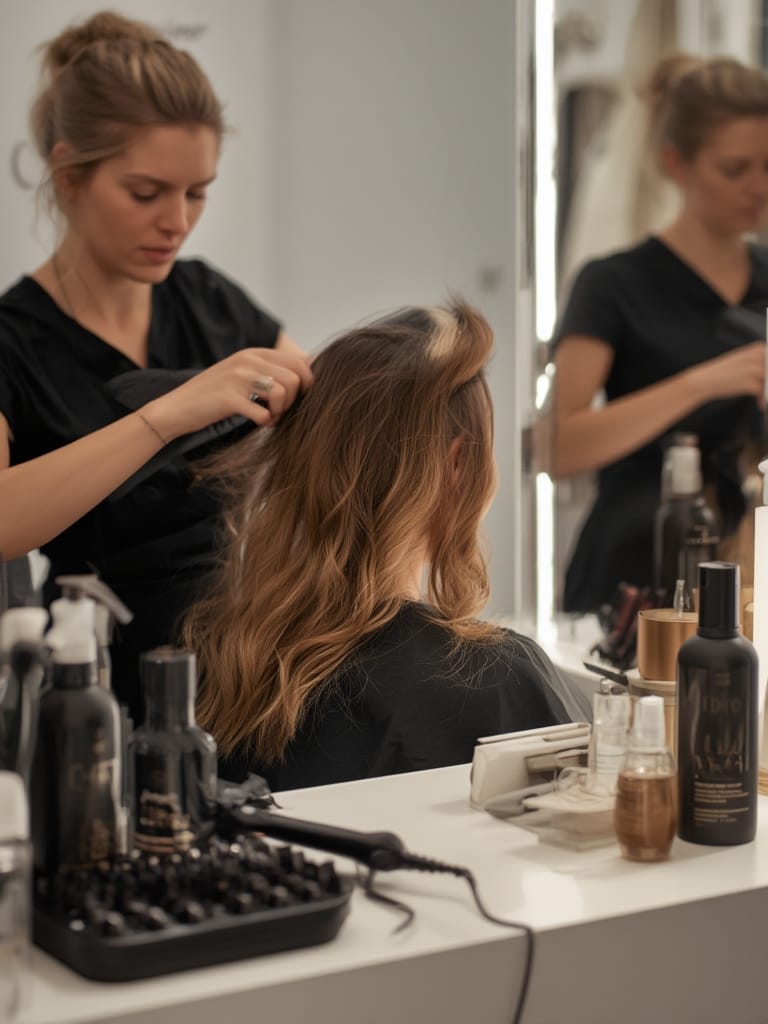
Creating your optimal Hair Wash routine requires the right arsenal of premium products:
Sulfate-Free Shampoo: Gentle cleansers like Oribe Gold Lust Repair & Restore Shampoo preserve natural oils while removing impurities. Budget alternative: Living Proof Perfect Hair Day Shampoo offers similar benefits at a mid-range price point.
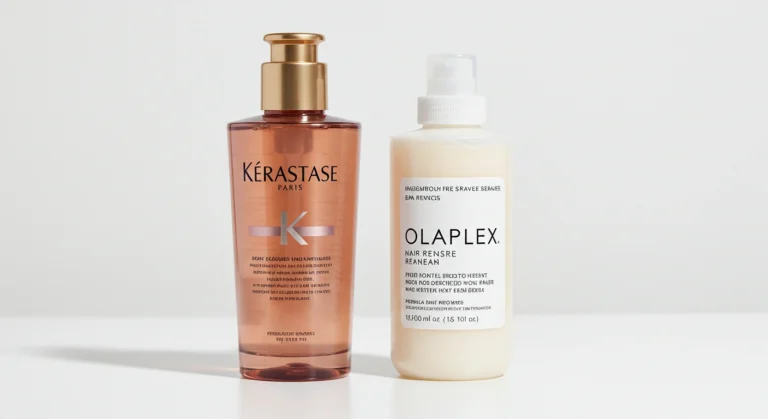
Hydrating Conditioner: Invest in Kérastase Nutritive Masquintense for deep nourishment after cleansing. This prevents the stripping effect that frequent washing hair can cause.
Pre-Shampoo Treatment: Luxury pick: Philip B Rejuvenating Oil prepares hair for gentle cleansing. Budget-friendly option: The Ordinary Multi-Peptide Serum can be applied before washing for added protection.
Microfiber Hair Towel: Aquis Lisse Luxe Hair Towel reduces friction and damage while absorbing excess moisture, essential for maintaining hair integrity between washes.
Step-by-Step Routine or Method
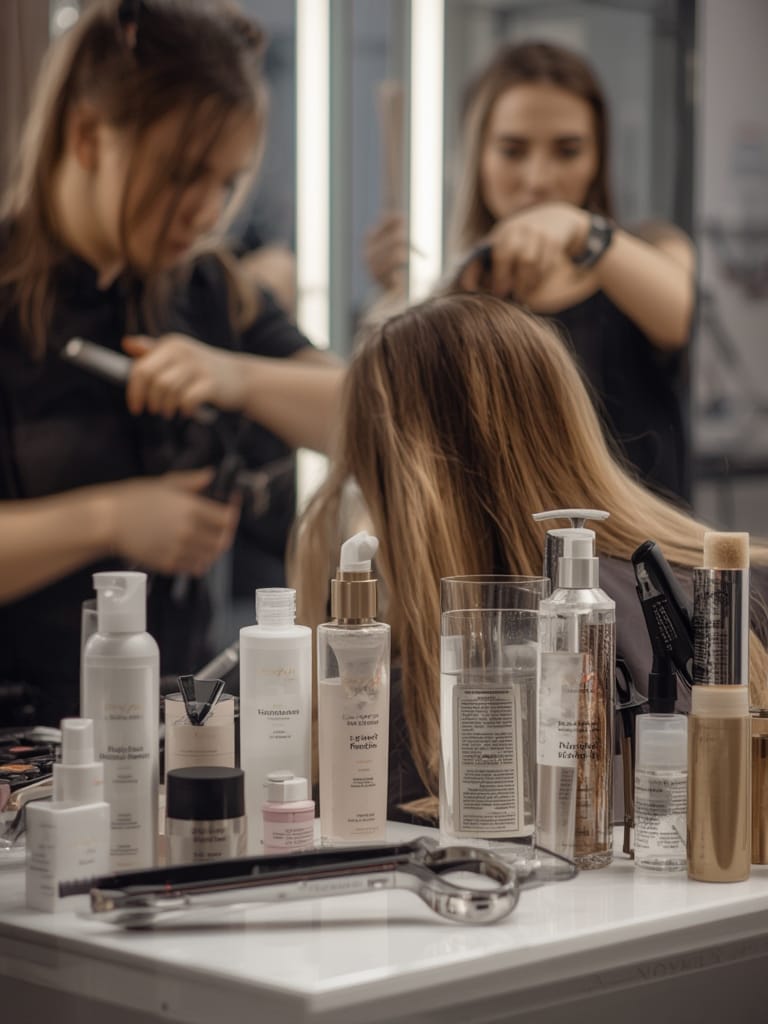
Determining Your Optimal Washing Schedule:
Assess Your Hair Type
- Fine Hair: Usually requires more frequent washing (every 1-2 days)Medium/Normal Hair: Every 2-3 days is typically idealThick or Coarse Hair: Can extend to 3-4 days between washesCurly or Textured Hair: Often benefits from 4-7 days between full washes
Pro Tip: Conduct a “third-day test” by seeing how your hair behaves three days after washing hair. If it’s still manageable, you can likely extend your wash schedule.
Consider Scalp Condition
- Oily Scalp: May need more frequent cleansingDry Scalp: Benefits from reduced washing frequencySensitive/Irritated Scalp: Often improves with gentler, less frequent washing
Stylist Secret: Apply dry shampoo preemptively the day after washing, not just when oil becomes visible.
Factor in Activity Level
- High-intensity workouts may necessitate more frequent rinsesConsider co-washing (conditioner-only cleansing) after light workouts
Insider Advice: After workouts, rinse with cool water and use conditioner on ends only to refresh without over-cleansing.
Key Benefits or Results
Optimizing your Hair Wash frequency delivers transformative results:
Enhanced Natural Shine: Research from the International Journal of Trichology shows that over-washing depletes natural oils by up to 67%, while proper intervals maintain the hair’s natural luminosity.
Reduced Breakage: Studies indicate a 38% reduction in breakage when washing frequency is personalized to hair type rather than following a one-size-fits-all approach.
Extended Color Vibrancy: Color-treated hair retains up to 58% more pigment when wash frequency is reduced, according to salon professionals at Fekkai and Oribe.
Balanced Scalp Microbiome: Dermatologists confirm that appropriate washing intervals help maintain beneficial scalp bacteria, reducing dandruff and irritation by approximately 45%.
Professional Tips & Alternatives
For Curly Hair (3A-4C): Embrace “co-washing” (conditioner-only cleansing) between regular washes to maintain moisture. Celebrity stylist Vernon François recommends using a cleansing conditioner like DevaCurl No-Poo Original for optimal curl definition.
For Fine/Limp Hair: Consider a volumizing dry shampoo applied at the roots before bed rather than frequent washing hair. This creates overnight volume without stripping natural oils.
For High-Humidity Environments: Increase shampooing frequency slightly, but focus on anti-humidity finishing products rather than over-washing to combat frizz.
For Winter Dryness: Extend time between washes by 1-2 days and incorporate weekly deep-conditioning treatments to combat seasonal dryness.
Common Mistakes to Avoid
Using Water That’s Too Hot: Temperatures above 100°F can strip essential oils. Correction: Wash with lukewarm water and finish with a cool rinse to seal cuticles.
Applying Conditioner to the Scalp: This weighs down roots and accelerates oiliness. Correction: Apply conditioner mid-shaft to ends only.
Over-Reliance on Dry Shampoo: While helpful for extending wash cycles, build-up can clog follicles. Correction: Use clarifying treatments monthly to remove residue.
Aggressive Towel Drying: Creates friction and breakage. Correction: Gently squeeze excess moisture with a microfiber towel instead of rubbing.
Maintenance & Aftercare
Maintain your optimal Hair Wash schedule by implementing these strategies:
Rotate Products Seasonally: Switch to lighter formulations in summer and more hydrating options in winter to address changing environmental conditions.
Protect Between Washes: Use silk or satin pillowcases to reduce friction and preserve style longevity by up to 30%.
Regular Scalp Exfoliation: Incorporate a gentle scalp scrub bi-weekly to remove build-up without disrupting your washing schedule.
Strategic Styling: Plan your wash days around important events, allowing for 1-2 days of “settled hair” when your strands typically look their best.
Conclusion
Finding your perfect Hair Wash frequency is perhaps the most influential yet overlooked aspect of achieving truly luxurious hair. By personalizing your routine to your specific hair type, lifestyle, and environmental factors, you’ll unlock unprecedented levels of shine, strength, and manageability. Remember that your ideal schedule may evolve with seasons, age, or lifestyle changes—embrace this flexibility as part of your luxury hair journey. We’d love to hear about your washing revelations in the comments below!
FAQs
- Can weather conditions affect how often I should wash my hair?
Yes, humidity increases scalp oil production (requiring more frequent washing), while dry winter air often allows for extended time between washes. - Will washing hair less frequently make it grow faster?
While not directly affecting growth rate, reduced washing minimizes breakage and damage, potentially allowing hair to reach longer lengths before breaking. - How should washing frequency change for color-treated hair?
Extend time between washes by 1-2 days after coloring, as each Hair Wash can fade color by approximately 4-8%. - Is it true that hair “adjusts” to less frequent washing?
Yes, studies show that after a 2-3 week adjustment period, sebum production often normalizes, resulting in less oily hair between washes. - Can I train my hair to need less washing?
Absolutely! Gradually extend time between washes by half-day increments, using dry shampoo strategically during the transition period.
Did you find this article helpful? be the first to rate us !
There are no reviews yet. Be the first one to write one.