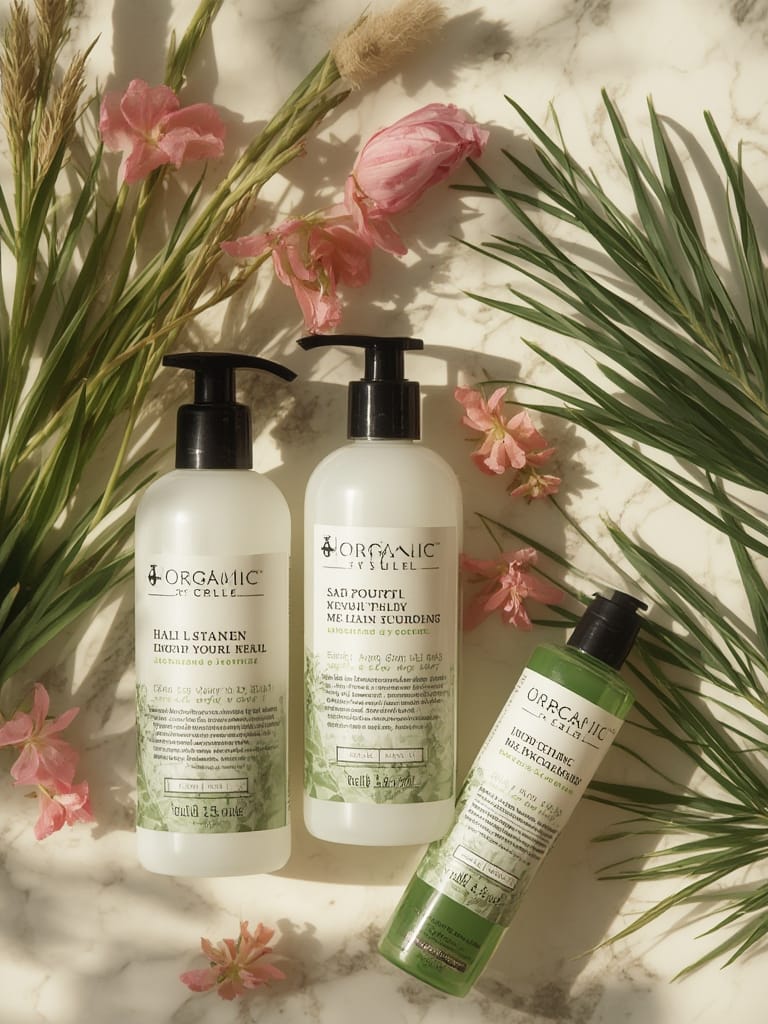
Organic Haircare Products That Work
Introduction
Are you tired of exposing your precious locks to harsh chemicals while still craving that salon-fresh feel? You’re not alone. The beauty industry has witnessed a significant shift toward natural alternatives, with more consumers seeking organic haircare products that deliver real results without compromise.
The quest for effective, clean formulations has become more than just a trend—it’s a lifestyle choice rooted in both personal wellness and environmental consciousness. Today, we’ll explore the luxurious world of organic haircare that proves you don’t need synthetic ingredients to achieve gorgeous, healthy hair.
Table of Contents
Must-Have Products & Tools
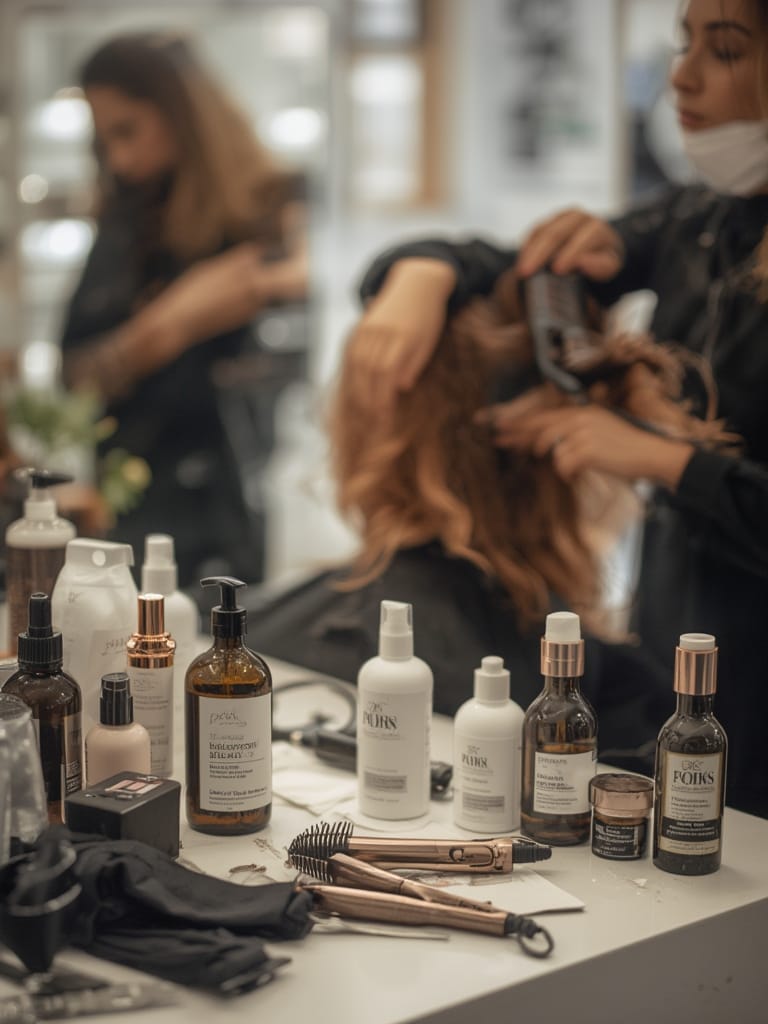
Essential Organic Foundations
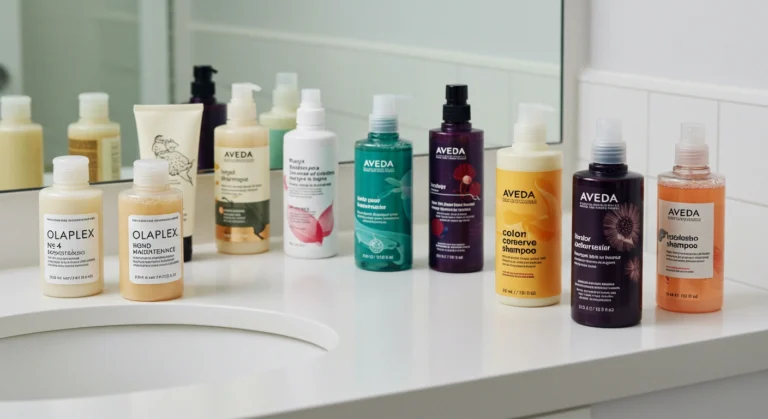
Rahua Classic Shampoo ($38) – This rainforest-grown oil-based formula cleanses without stripping natural oils, making it ideal for all hair types, especially those with color-treated or damaged hair.
Innersense Organic Beauty Hydrating Cream Conditioner ($30) – A luxurious blend of shea butter and orange flower oil that restores moisture without weighing hair down.
Playa Healing Hair Masque ($42) – Features kaolin clay and amla extract to strengthen strands while improving elasticity—perfect for weekly deep conditioning.
Luxury Styling Options
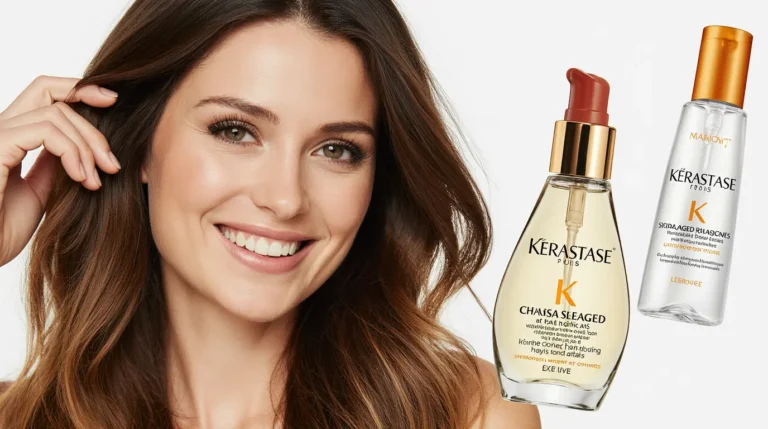
Gisou Honey Infused Hair Oil ($87) – This celebrity-favorite contains sustainably-sourced honey from the founder’s family bee garden, offering intense shine and protection.
Budget Alternative: Acure Seriously Soothing Blue Tansy Oil** ($12) – A more affordable option that delivers similar nourishing benefits with certified organic ingredients.
Josh Rosebrook Hairspray ($32) – A flexible-hold styling spray formulated with herbal infusions and essential oils rather than drying alcohols.
Step-by-Step Routine or Method
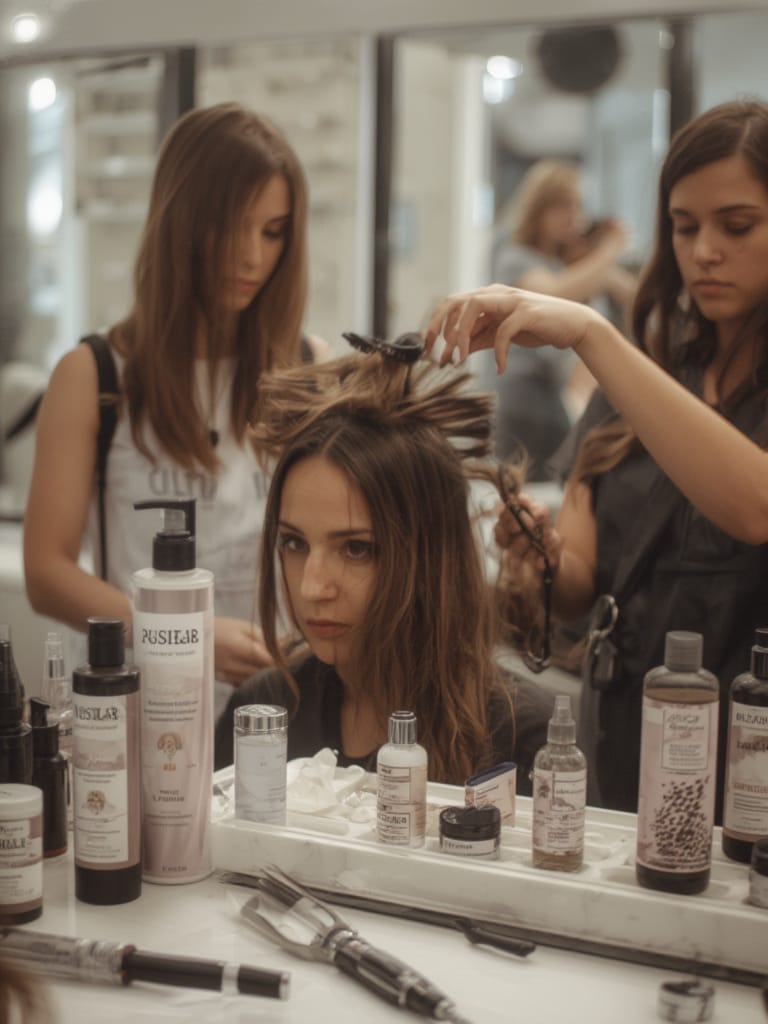
The Ultimate Organic Hair Ritual
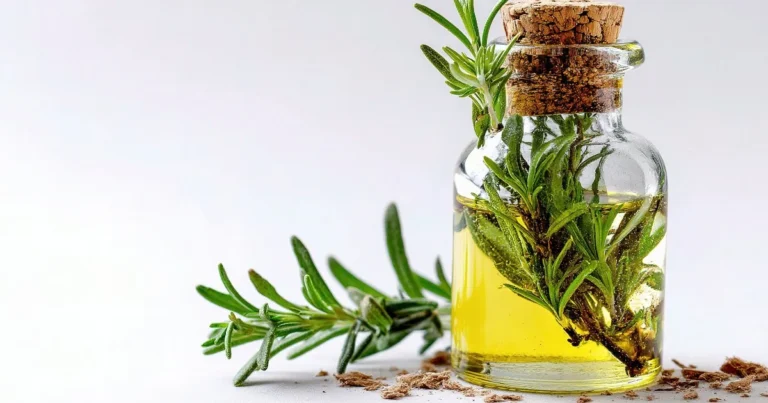
Pre-wash Treatment – Apply organic coconut or jojoba oil to dry hair ends 20 minutes before shampooing to protect fragile areas.
Pro Tip: Warm the oil between palms first for better penetration and distribution.Mindful Cleansing – Use lukewarm (never hot) water and apply organic shampoo primarily to the scalp, massaging gently for 60 seconds.
Pro Tip: Most people use too much product—a quarter-sized amount is sufficient for most hair types.Strategic Conditioning – Apply conditioner from mid-lengths to ends, leaving on for 3-5 minutes while detangling with fingers.
Pro Tip: Use a wide-tooth wooden comb for detangling to minimize breakage and static.Weekly Treatment – Substitute your regular conditioner with an organic hair mask once weekly, focusing on ends.
Pro Tip: Enhance absorption by wrapping hair in a warm, damp towel while the mask processes.Heat-Free Styling – Allow hair to air dry 80% before using styling products and tools to minimize damage.
Pro Tip: Apply styling products to damp hair by scrunching upward for natural texture and volume.
Key Benefits or Results
The transition to eco haircare, clean beauty delivers multiple scientifically-backed advantages. According to a 2022 dermatological study, participants who switched to organic haircare reported 42% reduction in scalp irritation within 30 days. The absence of harsh sulfates, silicones, and parabens allows hair to retain its natural moisture balance, resulting in:
- Improved scalp health with reduced flakiness and irritation
- Enhanced natural shine without synthetic coating agents
- Better color retention for dyed hair (up to 60% longer-lasting results)
- Strengthened hair follicles, reducing breakage by approximately 35%
- Environmentally-conscious beauty routine with biodegradable formulations
Professional Tips & Alternatives
For Different Hair Types
Curly Hair: Opt for organic products containing aloe vera and shea butter for optimal moisture without the frizz-causing sulfates.
Fine Hair: Look for volumizing organic formulas with rice protein or nettle extract that won’t weigh hair down.
Color-Treated Hair: Choose products with sunflower seed extract and vitamin E to maintain vibrancy and protect against UV damage.
Seasonal Adaptations
During humid summer months, incorporate anti-humidity organic oils like broccoli seed or marula oil as finishing products. In winter, increase hydration with weekly organic hair masks containing honey or avocado oil.
Common Mistakes to Avoid
Overlooking Ingredient Lists – Don’t be fooled by “natural-looking” packaging; always check for certified organic ingredients rather than relying on marketing terms.
Expecting Instant Results – Organic products often take 2-3 weeks of consistent use to show their full benefits as your hair detoxes from conventional products.
Over-washing – Most organic shampoos lack harsh cleansers, allowing you to extend between wash days—aim for 2-3 times weekly maximum.
Improper Storage – Many organic formulations lack synthetic preservatives and should be stored away from direct sunlight and excessive heat.
Maintenance & Aftercare
Maintain your organic haircare investment by storing products properly—away from bathroom humidity and direct sunlight. Consider rotating between two different organic shampoos to address varying hair needs throughout the month. Protect your hair at night with a silk pillowcase or bonnet to retain moisture and prevent friction damage.
For tools, regularly clean brushes and combs with warm water and organic castile soap to prevent product buildup that can transfer back to clean hair. Most importantly, schedule quarterly trims to prevent split ends from traveling up the hair shaft.
Conclusion
Embracing organic haircare isn’t just a beauty choice—it’s an investment in your hair’s long-term health and the planet’s wellbeing. By selecting high-performance clean formulations and following our professional guidance, you’ll discover that natural ingredients can deliver exceptional results without compromise. Your hair deserves the same level of care and consideration as the rest of your body. Why not start your organic hair transformation today?
FAQs
How can I verify if a haircare product is truly organic?
Look for certified organic labels like USDA Organic, COSMOS, or EcoCert, and check that organic ingredients appear at the beginning of the ingredient list, not the end.
Will organic shampoo lather like conventional products?
Most organic shampoos create a moderate rather than abundant lather since they lack synthetic sulfates, but this doesn’t affect cleaning efficacy.
How long should I expect before seeing results with organic haircare?
Most users notice improvements within 2-3 weeks, with significant changes in hair health visible after 4-6 weeks of consistent use.
Can organic products effectively manage difficult hair issues like dandruff?
Yes, ingredients like tea tree oil, apple cider vinegar, and neem have been clinically shown to address scalp conditions effectively when used consistently.
Are organic haircare products worth the higher price point?
The concentrated formulations typically require less product per use, often making them comparable in cost per application while delivering superior hair health benefits.
Did you find this article helpful? be the first to rate us !
There are no reviews yet. Be the first one to write one.