Safe Hair Coloring Tips for Healthy Strands
Introduction
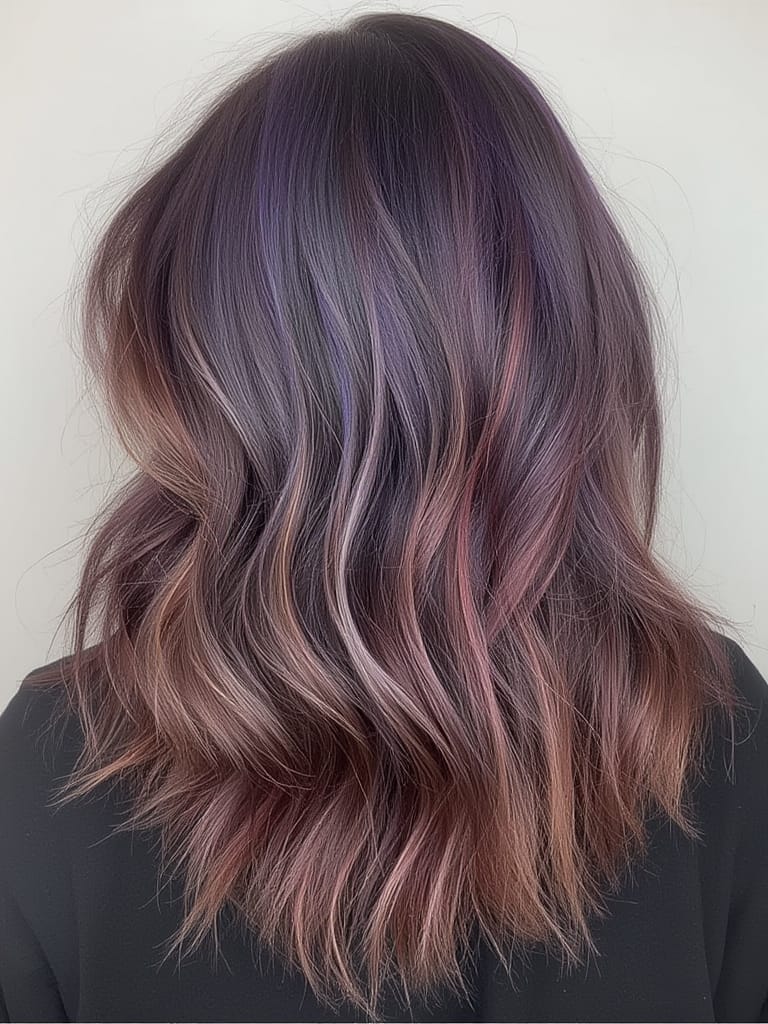
Are you dreaming of a stunning color transformation but worried about damaging your precious locks? You’re not alone. The journey to vibrant, dimensional Hair Color doesn’t have to come at the expense of hair health. In fact, with today’s advanced formulations and proper techniques, you can maintain – and even improve – your hair’s condition while exploring new hues.
Whether you’re covering grays, trying trendy balayage, or making a complete color change, mastering safe coloring tips is essential for preserving your hair’s natural beauty and ensuring long-lasting, salon-worthy results.
Table of Contents
Must-Have Products & Tools
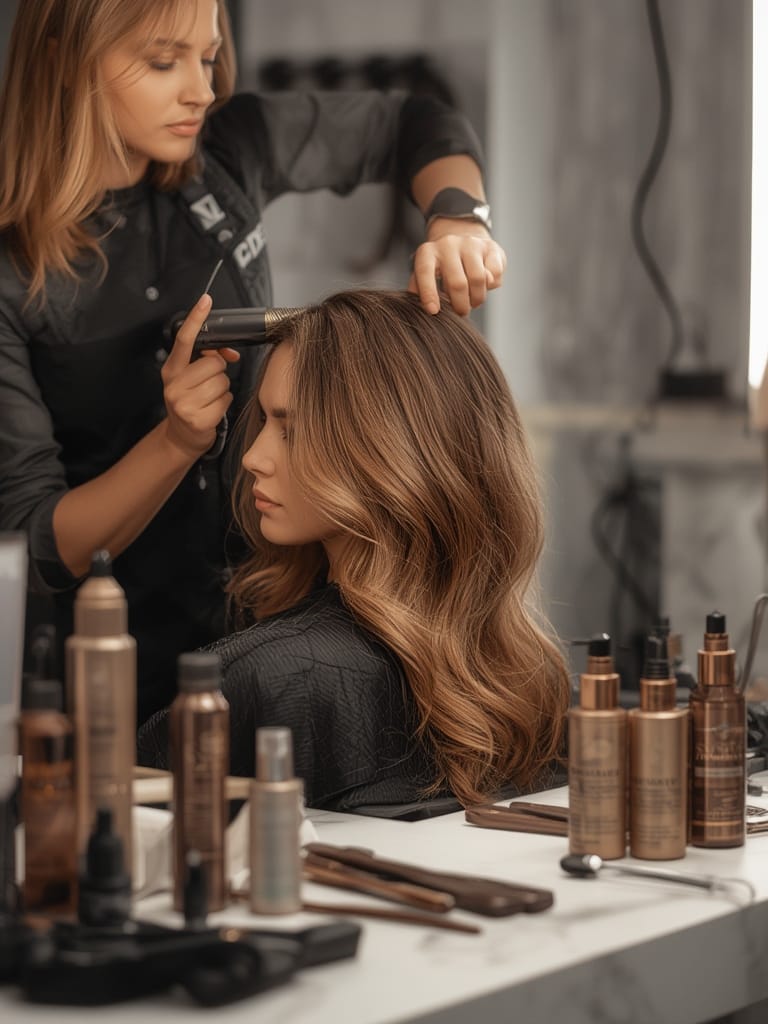
Before embarking on your color journey, arm yourself with these essential products:
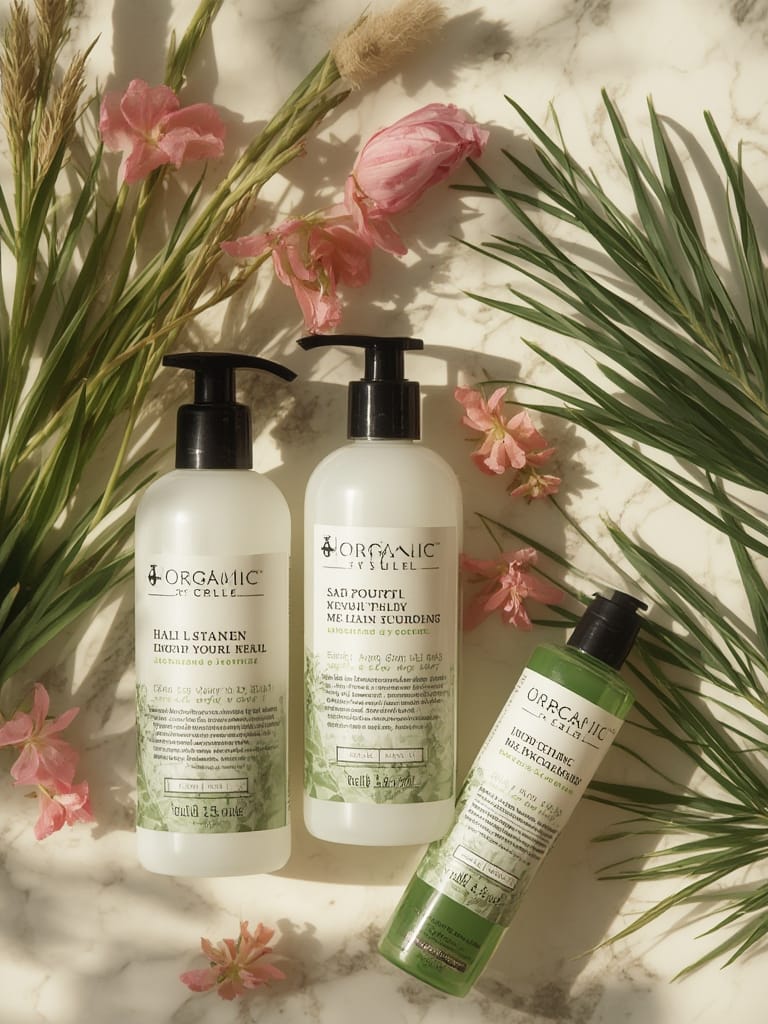
Color-Safe Shampoo and Conditioner – Look for sulfate-free formulas specifically designed for colored hair. Luxury pick: Kérastase Reflection line; Budget-friendly: L’Oréal Paris Elvive Color Vibrancy system.
Pre-Color Treatment – A bond-building treatment applied before coloring can protect hair structure. Luxury option: Olaplex No.3; Budget option: L’Oréal Paris Elvive Total Repair 5 Damage-Erasing Balm.
Heat Protectant – Essential for shielding colored hair during styling. Try Color Wow Dream Coat for premium protection or TRESemmé Keratin Smooth as a budget alternative.
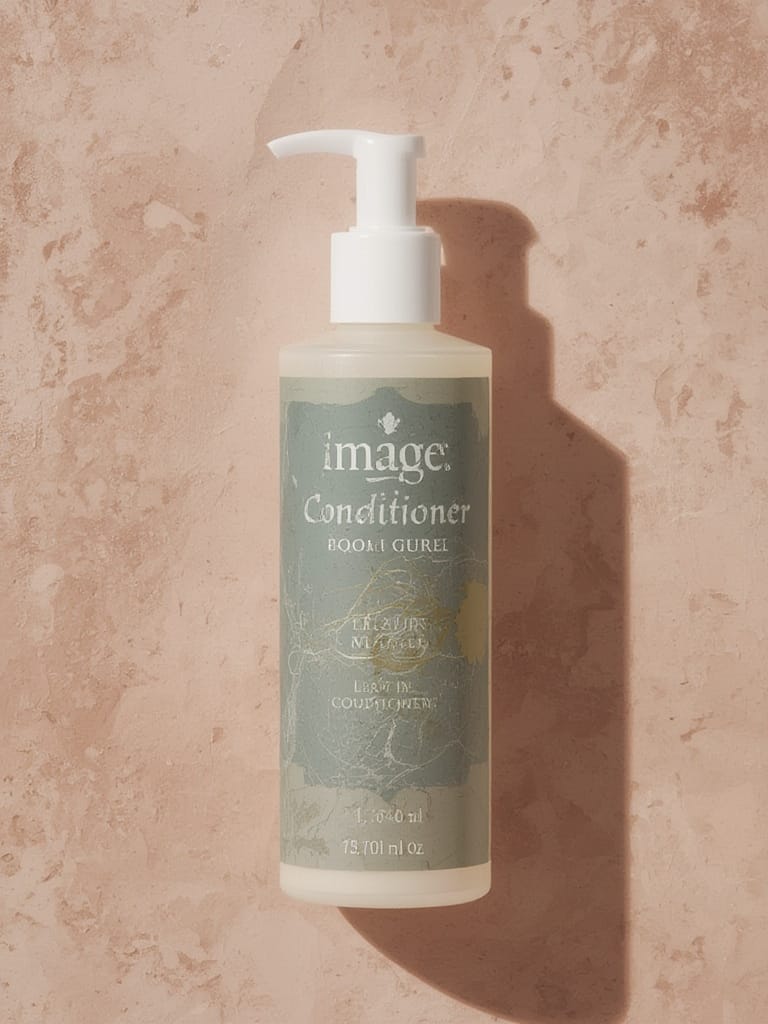
Color-Depositing Conditioner – Maintains vibrancy between salon visits. Luxury choice: Christophe Robin Shade Variation Masks; Budget option: Overtone Color Conditioners.
UV Protection Spray – Prevents sun-induced color fading. Premium pick: Aveda Sun Care Protective Hair Veil; Budget pick: Sun Bum Beach Formula 3-in-1 Leave-In.
Step-by-Step Routine or Method
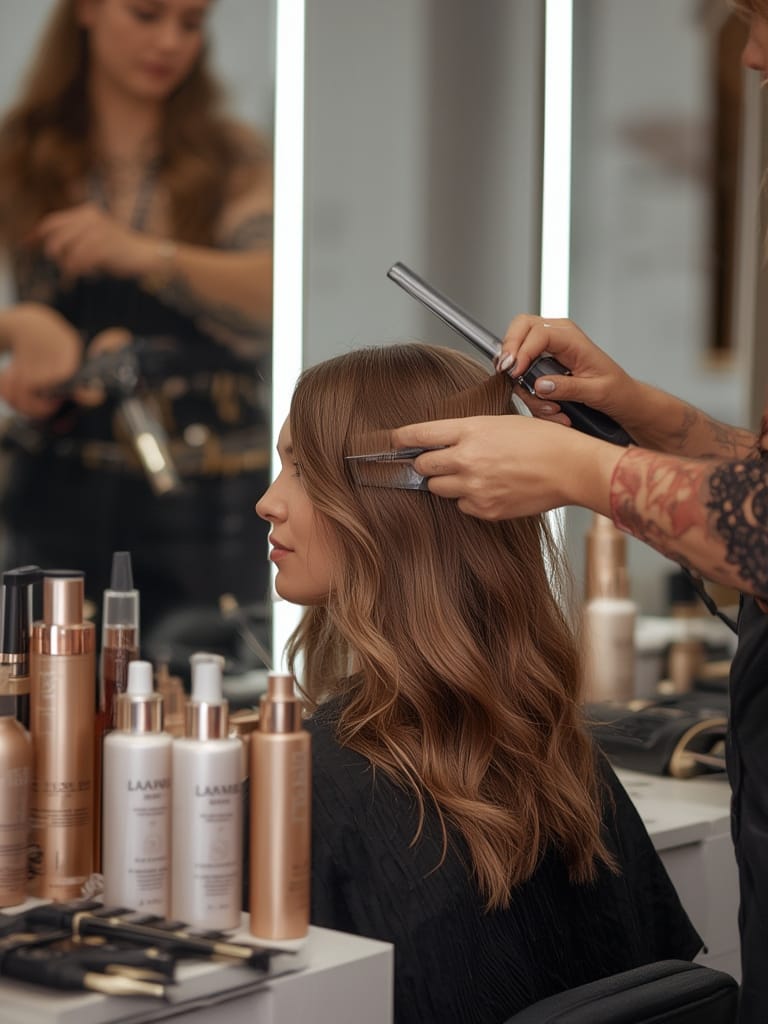
Follow these strategic steps for healthier, longer-lasting color results:
Prep Your Hair – Avoid washing hair 24-48 hours before coloring to allow natural oils to protect your scalp. Pro tip: Apply coconut oil to ends to prevent over-processing of previously colored or damaged sections.
Strand Test First – Always conduct a strand test with your chosen color to verify the result and check for any reactions. Stylist secret: Test on an underneath section where any unexpected results won’t be immediately visible.
Apply Strategically – For home coloring, section hair properly and start at the roots (except for very light blonde). Expert advice: Use a small makeup brush for precise application around the hairline to prevent skin staining.
Time Carefully – Never exceed the recommended processing time. Pro insight: Set multiple timers—one for the main application and another for the last 5 minutes as a reminder.
Rinse Thoroughly – Use lukewarm (never hot) water and rinse until water runs clear. Salon technique: Add a tablespoon of white vinegar to your final rinse water to seal the cuticle and lock in color.
Post-Color Care – Apply a color-safe deep conditioner immediately after rinsing the color. Stylist tip: Leave conditioner on for 30 minutes with a shower cap for maximum nourishment.
Key Benefits or Results
Implementing safe coloring practices delivers multiple advantages beyond just beautiful color:
• Extended Color Longevity – Studies show proper pre and post-color care can extend vibrancy by up to 40% compared to standard routines.
• Reduced Damage – Modern bond-building technology can decrease breakage by up to 80% during chemical processes, according to research by leading hair care brands.
• Enhanced Shine – Proper pH-balancing treatments after coloring help close the cuticle, resulting in up to 70% more light reflection and visibly increased shine.
• Maintained Elasticity – Following professional guidelines preserves hair’s natural stretch and prevents the brittleness commonly associated with coloring.
Professional Tips & Alternatives
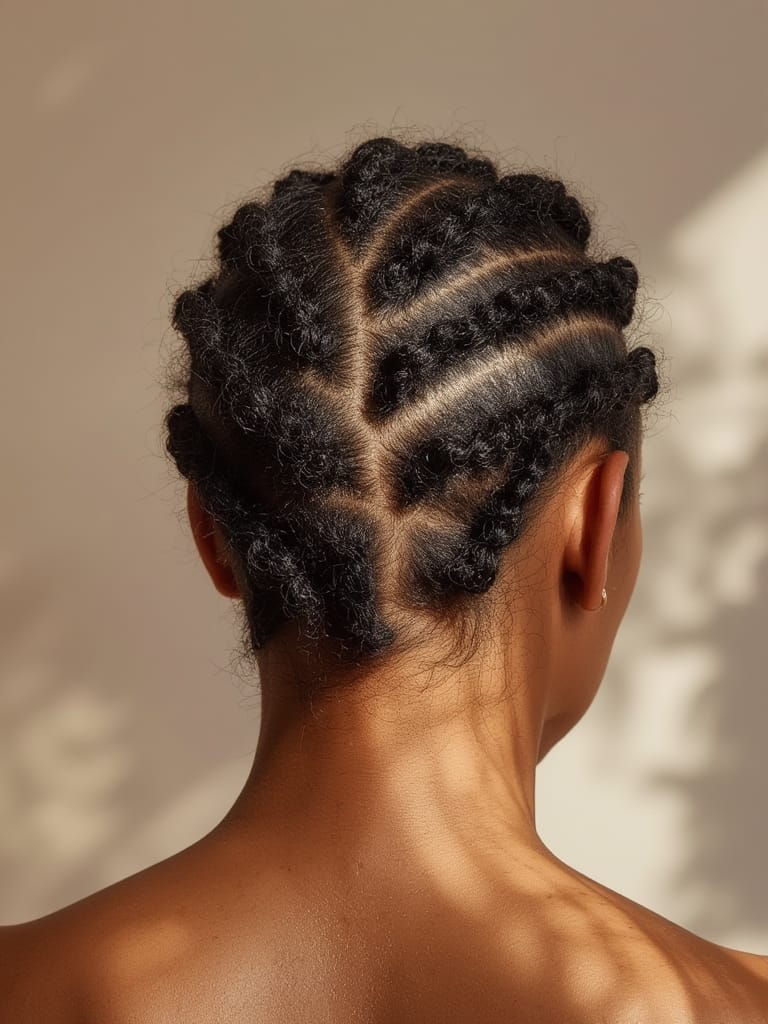
• For Curly Hair: Opt for demi-permanent colors or highlights that don’t require full saturation to minimize disruption to curl patterns.
• For Fine Hair: Consider low-volume developers (10 volume instead of 20) and dimensional techniques like babylights rather than all-over color to maintain body.
• Seasonal Adaptations: In summer, choose warmer tones that fade more gracefully in sun exposure. In winter, deep conditioning treatments should be doubled to combat heating-induced dryness.
• Natural Alternatives: Consider henna-based colors for those seeking chemical-free options, but note they cannot lighten hair and are permanent.
Common Mistakes to Avoid
• Overlapping Color – Never reapply permanent color to previously colored sections. Instead, focus on roots and refresh ends only in the last 5-10 minutes if needed.
• Skipping Strand Tests – This crucial step prevents allergic reactions and color disasters. Never bypass it, especially when trying new products.
• Washing Too Soon – Washing hair immediately after coloring can result in up to 80% more color fade. Wait at least 48 hours before your first wash.
• Using Regular Shampoo – Regular formulas can strip color in just 3-4 washes. Always use color-specific products to preserve your investment.
Maintenance & Aftercare
• Weekly Treatment – Use a color-depositing mask once weekly to maintain vibrancy between salon visits.
• Water Temperature – Always rinse with cool water to seal the cuticle and preserve color molecules within the hair shaft.
• Heat Styling Reduction – Limit heat styling to 2-3 times weekly, always using heat protection to prevent color degradation.
• Product Rotation – Alternate between color-preserving and deep-conditioning treatments to balance vibrancy and hydration needs.
• Protective Sleeping – Use a silk pillowcase to reduce friction that can accelerate color fade and cause damage.
Conclusion
Beautiful, vibrant hair color and healthy strands aren’t mutually exclusive—they’re complementary goals that can absolutely be achieved together. By following these professional-grade techniques and investing in quality products suited to your specific needs, you can enjoy dimensional, head-turning color while maintaining your hair’s natural strength and shine. Remember, the most gorgeous color results come from hair that’s in optimal condition, so prioritize health alongside aesthetics for truly luxurious results.
FAQs
- How long should I wait between coloring sessions to maintain hair health?
Most colorists recommend waiting 6-8 weeks between permanent color applications to prevent overlap damage and allow your hair to recover. - Can I color my hair if I’ve been using keratin treatments?
Yes, but wait at least two weeks after a keratin treatment before coloring, and opt for ammonia-free formulas to preserve the keratin benefits. - Is it better to color clean or dirty hair?
Slightly dirty hair (1-2 days unwashed) is ideal as natural oils protect your scalp from irritation without interfering with color development. - How can I prevent my color from fading so quickly?
Use UV protection products, wash with lukewarm water, limit washing to 2-3 times weekly, and use color-depositing conditioners between salon visits. - What’s the difference between permanent, demi-permanent, and semi-permanent color?
Permanent color changes hair structure and lasts until it grows out, demi-permanent lasts 24-28 washes, and semi-permanent is a coating that gradually fades over 8-12 washes.
Did you find this article helpful? be the first to rate us !
There are no reviews yet. Be the first one to write one.