Top Hair Styling Tools for Home
Introduction
Are you tired of spending hundreds on salon visits when you could achieve similar results at home? Having the right Hair styling Tools can transform your daily styling routine from frustrating to flawless.
Whether you’re looking to create bouncy curls, sleek straight styles, or just want to maintain healthy locks, investing in quality styling equipment is the secret professional stylists don’t always share. The right arsenal of tools not only saves you time and money but also gives you the flexibility to experiment with different looks whenever inspiration strikes.
Table of Contents
Must-Have Products & Tools
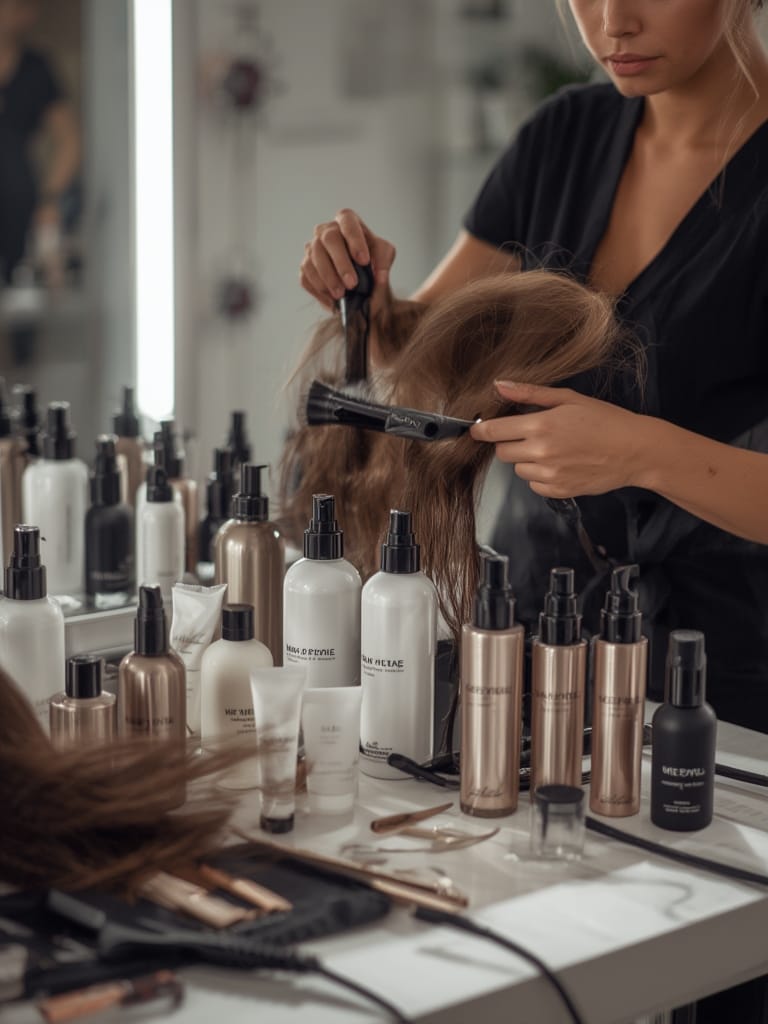
Every well-equipped home styling station should include these essential styling tools:
Professional-Grade Hair Dryer – Look for ionic technology (reduces frizz), at least 1800 watts, and multiple heat settings. Luxury pick: Dyson Supersonic. Budget alternative: BaBylissPRO Nano Titanium.
Ceramic Flat Iron – Prioritize models with adjustable temperature controls and floating plates. Luxury pick: ghd Platinum+. Budget-friendly option: HSI Professional Glider.
Quality Curling Tools – Either a versatile curling wand set with interchangeable barrels or a high-performance curling iron. Luxury choice: T3 Whirl Trio. Budget option: Remington Pro Pearl Ceramic.
Round Brushes – Invest in at least two sizes: medium for volume and large for straightening. Luxury: Mason Pearson. Budget: Conair Mega Ceramic.
Microfiber Hair Towel – Reduces drying time and minimizes frizz. Luxury: Aquis Lisse Luxe. Budget: DevaCurl DevaTowel.
Heat Protectant Spray – Non-negotiable for preventing damage. Luxury: Kérastase Discipline. Budget: HSI Professional Argan Oil Spray.
Step-by-Step Routine or Method
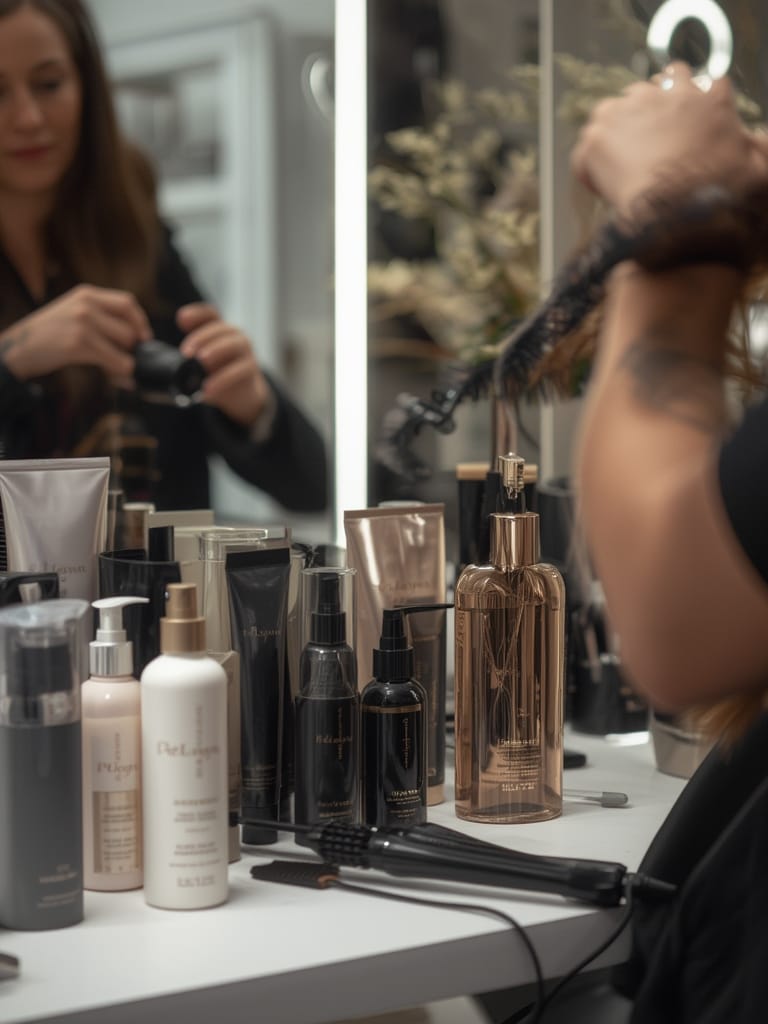
Prep Your Canvas – Start with freshly washed hair and apply heat protectant from mid-lengths to ends. Pro tip: Use a leave-in conditioner for extra protection if you have color-treated or damaged hair.
Pre-Dry Correctly – Remove excess moisture with a microfiber towel by gently squeezing (never rubbing). For curly hair, scrunch upward; for straight styles, blot downward.
Rough Dry First – Use your dryer on medium heat, removing 80% of moisture before reaching for brushes. Stylist secret: Flip your head upside down while rough drying for extra volume at the roots.
Section & Style – Divide hair into manageable sections (4-6 for most people). Work from the bottom up, securing with sectioning clips. Pro tip: Make sections thinner for thicker hair types to ensure even heat distribution.
Finish with Cool Air – Set your style with the cool shot button on your dryer. This closes the hair cuticle, enhancing shine and longevity of your style.
Key Benefits or Results
Investing in quality Hair Tools delivers measurable benefits. According to a 2023 consumer study, 78% of women reported less heat damage after switching to professional-grade tools. The right equipment reduces styling time by approximately 40% and extends the life of your style by 1-3 days. Additionally, premium tools typically last 3-5 years compared to 6-12 months for budget alternatives, making them more economical long-term despite higher initial costs.
Professional Tips & Alternatives
For curly hair, consider a diffuser attachment and microfiber towels essential rather than optional. Fine hair benefits from lower heat settings and lightweight styling products. Those in humid climates should invest in anti-humidity finishing sprays and ceramic-tourmaline tools that help seal the cuticle more effectively.
Heat-free styling alternatives include flexirods, silk scrunchies for overnight waves, and braiding techniques. During summer months, reduce heat styling frequency by 50% and increase UV protection for color-treated hair using specialized leave-in products.
Common Mistakes to Avoid
Using Tools on Soaking Wet Hair – This causes water to boil inside hair strands, creating bubbles that lead to breakage. Correction: Always pre-dry to at least 80% before using hot tools.
Neglecting Heat Settings – One temperature doesn’t suit all hair types. Fine hair needs 280-320°F, medium 320-360°F, and coarse 360-410°F maximum.
Holding Tools Too Long – Keeping flat irons or curling wands on one section for more than 10 seconds risks heat damage. Instead, make multiple quick passes on lower heat.
Skipping Heat Protectant – This is like sunbathing without sunscreen. Always use protection, even for “just one quick pass.”
Maintenance & Aftercare
Clean your tools regularly—once monthly for most devices, more frequently for daily users. Remove hair and product buildup from flat irons and curling tools when cool using alcohol on a cloth. Clean dryer vents and filters weekly to maintain airflow and prevent overheating.
Store tools properly by wrapping cords loosely and using heat-resistant pouches. Consider implementing a “heat detox” one day per week, using only heat-free styling methods to give your hair recovery time.
Conclusion
Building your home styling arsenal with high-quality styling tools is an investment in both your hair’s health and your personal style. By selecting the right tools, using them correctly, and maintaining them properly, you can achieve salon-worthy results that keep your hair looking its best. Remember, great hair isn’t just about the products you apply—it’s about how you apply them and with what tools.
FAQs
- How often should I replace my hair styling tools?
Quality tools typically last 3-5 years with proper maintenance. Replace them when you notice uneven heating, frayed cords, or diminished performance. - Can expensive hair tools really make a difference?
Yes. Higher-end tools typically feature better heat regulation, more durable materials, and technologies that reduce damage while improving results. - What’s the most versatile styling tool for beginners?
A good quality flat iron can straighten, create waves, and even curl hair, making it the most versatile starting tool. - How can I make my hairstyle last longer between washes?
Use a lightweight dry shampoo at your roots before bed rather than in the morning, and sleep on a silk pillowcase to reduce friction and preserve your style. - Is it better to air-dry or blow-dry hair?
Contrary to popular belief, properly blow-drying with the right technique can be less damaging than extended air-drying, which keeps the hair cuticle swollen longer.
Did you find this article helpful? be the first to rate us !
There are no reviews yet. Be the first one to write one.