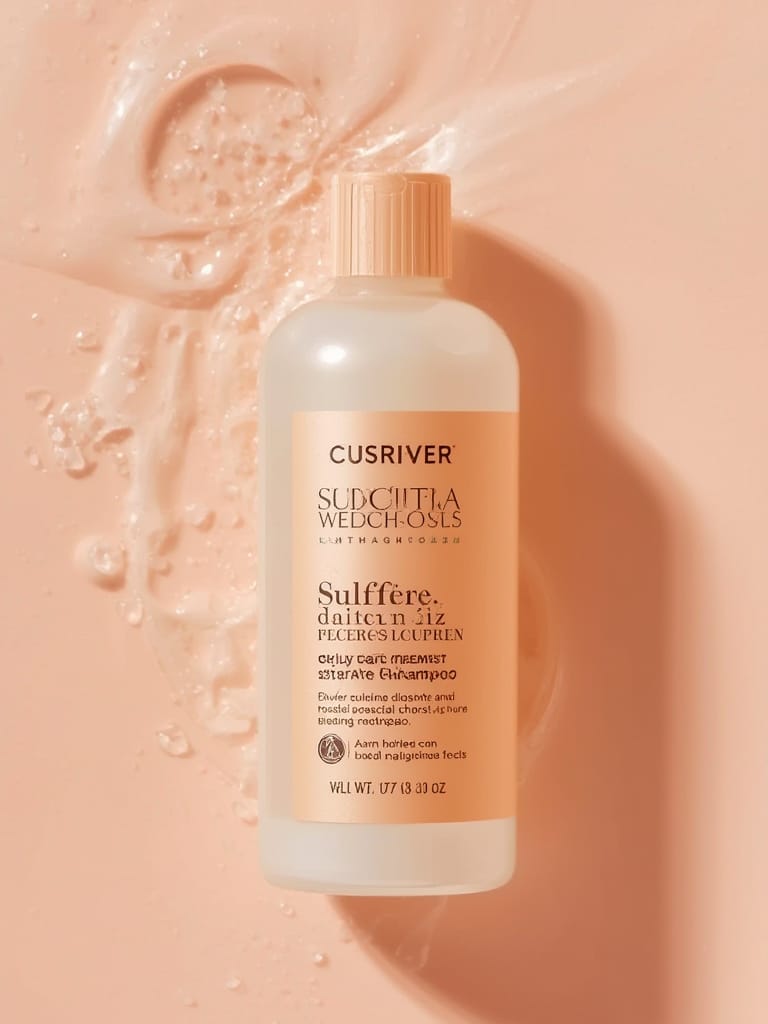
Why You Should Use Sulfate-Free Shampoo (Benefits & Top Picks)
Introduction
Are you tired of washing your hair only to find it feeling stripped, dry, and lackluster hours later? The culprit might be hiding in your shower caddy. sulfate-free shampoo has become a beauty buzzword for good reason – it’s revolutionizing how we wash our hair while preserving its natural beauty.
Traditional shampoos containing harsh sulfates might give you that squeaky-clean feeling, but they’re actually stripping away essential oils your hair needs to stay healthy and vibrant. For those seeking premium haircare results, understanding the impact of your cleanser choice is the first step toward achieving salon-worthy locks at home.
Table of Contents
Must-Have Products & Tools
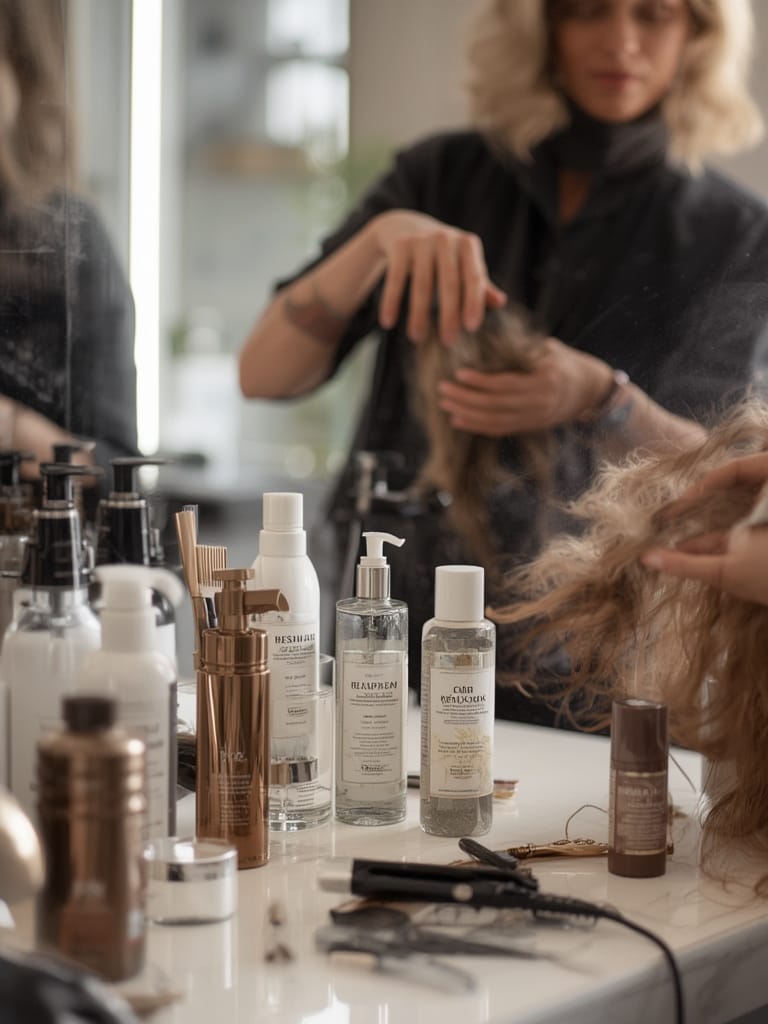
Making the switch to gentler hair cleansers doesn’t have to be complicated. Here are the essentials you’ll need:
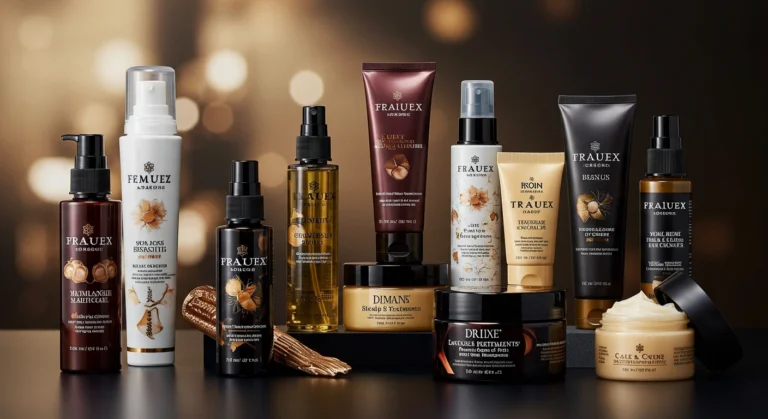
Luxury Pick: Oribe Gold Lust Repair & Restore Shampoo ($49) – This sulfate-free formula contains bio-restorative complex and argan oil that rejuvenates hair while cleansing.
Mid-Range Option: Briogeo Don’t Despair, Repair! Super Moisture Shampoo ($36) – A 95% naturally-derived formula that gently cleanses while infusing moisture into dry, damaged hair.
Budget-Friendly Choice: SheaMoisture Coconut & Hibiscus Curl & Shine Shampoo ($12) – Perfect for curly hair types, this affordable gentle shampoo, natural shampoo cleanses without stripping natural oils.
Complementary Products: Pair your sulfate-free shampoo with a silicone-free conditioner for optimal results. A microfiber hair towel will also minimize friction and reduce drying time.
Step-by-Step Routine or Method
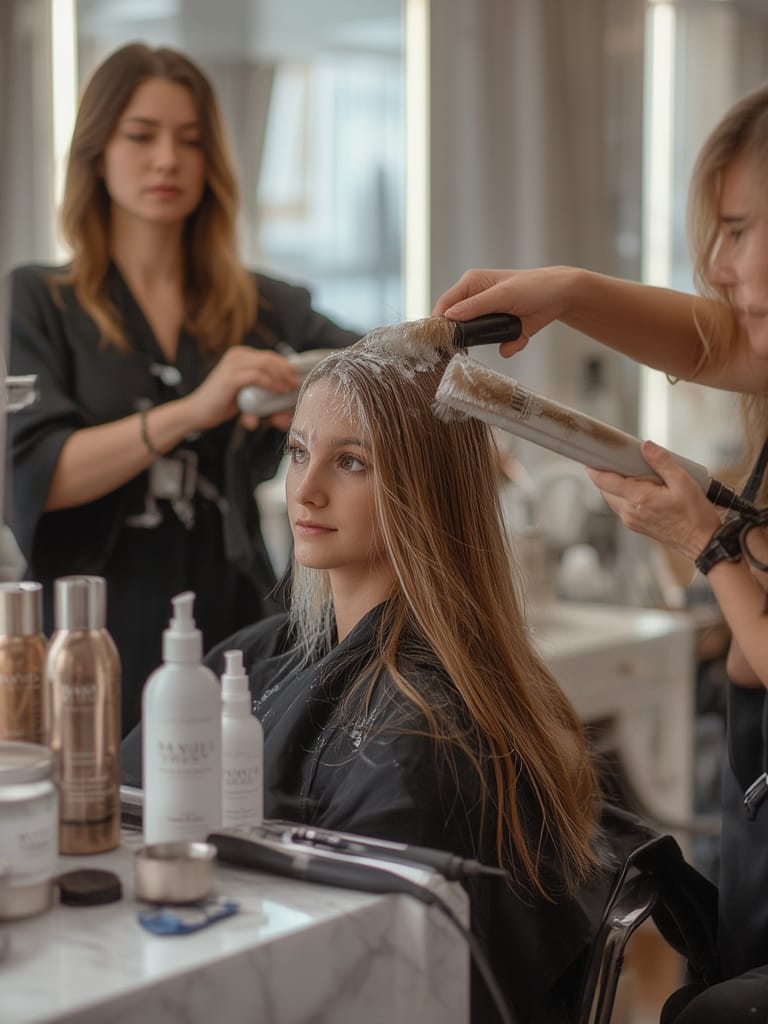
Thoroughly wet your hair – Sulfate-free formulas work best on completely saturated hair. Spend extra time rinsing before applying product.
Apply a quarter-sized amount to your palms and work into a gentle lather. Most sulfate-free shampoos don’t foam dramatically, so don’t be alarmed.
Focus on the scalp using fingertips (not nails) to massage in circular motions for 1-2 minutes. This stimulates blood flow while lifting dirt and product buildup.
Rinse thoroughly until water runs clear. Sulfate-free products can leave residue if not completely rinsed out.
Follow with a compatible conditioner from mid-lengths to ends, avoiding the scalp area.
Key Benefits or Results
Switching to sulfate-free formulations offers numerous advantages for hair health:
- Extended color longevity: Studies show color-treated hair retains up to 38% more pigment when washed with sulfate-free products.
- Natural oil preservation: Your scalp’s sebum production remains balanced rather than triggered into overproduction.
- Reduced irritation: Dermatologists recommend sulfate-free options for sensitive scalps prone to itching or flaking.
- Enhanced moisture retention: Hair cuticles remain sealed, allowing strands to maintain internal hydration.
- Improved texture: 87% of users report smoother, more manageable hair within two weeks of switching.
Professional Tips & Alternatives
For maximum benefits from your sulfate-free routine, consider these expert recommendations:
For fine hair: Look for volumizing sulfate-free formulas with ingredients like rice protein or bamboo extract that won’t weigh hair down.
For curly textures: Co-washing (conditioner-only washing) can be alternated with sulfate-free shampooing to preserve natural curl pattern and moisture.
For oily scalps: Use a clarifying sulfate-free option with tea tree oil or witch hazel weekly to remove excess oil without triggering overproduction.
Seasonal adjustment: In summer, incorporate UV-protective ingredients; in winter, seek extra moisturizing components like shea butter or argan oil.
Common Mistakes to Avoid
Even with gentler formulations, these missteps can undermine your hair health:
- Using too much product – Sulfate-free shampoos are concentrated; a quarter-sized amount is usually sufficient.
- Expecting immediate results – Allow 2-3 weeks for your scalp to adjust to the new cleansing method.
- Infrequent washing – While sulfate-free formulas are gentler, regular cleansing remains important for scalp health.
- Skipping occasional clarifying treatments – Product buildup can still occur; use a gentle clarifier monthly.
- Not rinsing thoroughly – Residue is more common with sulfate-free products, so take extra time to rinse completely.
Maintenance & Aftercare
To maintain the benefits of your sulfate-free routine:
- Establish the right frequency – Most hair types thrive with 2-3 washes weekly using sulfate-free products.
- Rotate products seasonally to address changing hair needs.
- Store products properly – Keep bottles closed tightly and away from direct sunlight to preserve active ingredients.
- Consider pre-shampoo treatments – Apply hair oils or masks before washing to add extra protection for damaged hair.
- Monitor results – Journal your hair’s response to different sulfate-free formulas to identify your perfect match.
Conclusion
Making the switch to sulfate-free shampoo isn’t just a beauty trend—it’s a fundamental shift toward healthier hair care that preserves your hair’s natural integrity. By choosing gentler cleansers, you’re investing in the long-term health and appearance of your locks. The initial adjustment period is a small price to pay for the vibrant, manageable, and resilient hair that awaits. Remember, luxury hair care isn’t about instant transformation but consistent, thoughtful practices that yield beautiful results over time.
FAQs
How often should I use sulfate-free shampoo?
Most hair types benefit from washing 2-3 times weekly with sulfate-free formulas. Very oily scalps may need more frequent cleansing, while dry or curly hair might thrive with just once weekly.
Will sulfate-free shampoo still clean my hair properly?
Absolutely. While you’ll experience less foam, sulfate-free cleansers effectively remove dirt and excess oil without stripping natural moisture.
Why does my hair feel different after switching to sulfate-free?
Your hair may initially feel less “squeaky clean” because natural oils remain present. This adjustment period typically lasts 2-3 weeks as scalp oil production normalizes.
Are all sulfate-free shampoos equally effective?
No. Look for quality ingredients beyond the “sulfate-free” label. Cleansers like coco-glucoside or sodium cocoyl isethionate offer effective yet gentle cleansing.
Can sulfate-free shampoo help with frizz?
Yes, by preserving natural oils and maintaining the hair cuticle’s integrity, sulfate-free formulas typically reduce frizz by up to 60% compared to traditional shampoos.
Did you find this article helpful? be the first to rate us !
There are no reviews yet. Be the first one to write one.